

Reframing Inflammation
Inflammation is often portrayed as something to “fight” or “eliminate.” In reality, inflammation is a vital biological process, one that protects us, heals injuries, and helps us survive infections. Problems arise not when inflammation exists, but when it fails to resolve.
This distinction, acute versus chronic inflammation, matters far more than any single food choice.
Acute Inflammation: A Necessary Response
In biological terms, inflammation is the body’s protective response to injury or infection.
When tissues are damaged, or pathogens invade:
- Blood flow increases
- Immune cells migrate to the affected area
- Classic signs appear: redness, heat, swelling, pain
This acute inflammation is beneficial. It is short-term, targeted, and self-limiting, designed to eliminate threats and repair tissue. Once the job is done, the inflammatory response should switch off (2).

Chronic Inflammation: When the System Stays “On”
Problems arise when inflammation becomes chronic and systemic.
Chronic inflammation:
- Is long-lasting and low-grade
- Persists even when there is no acute injury or infection
- Is often measurable through elevated inflammatory markers in the blood (e.g. CRP, IL-6)
Unlike acute inflammation, chronic inflammation remains constantly activated, often driven by ongoing stressors such as:
- Excess body fat
- Poor diet quality
- Smoking
- Chronic infections
- Psychological stress
The issue isn’t intensity, it’s duration (3).

Why Chronic Inflammation Is Harmful
Inflammation is meant to be protective. When it never resolves, it can become disruptive.
In a chronic inflammatory state:
- Pro-inflammatory signals stay switched on
- Anti-inflammatory and resolution pathways fail to activate
- Normal immune signalling becomes dysregulated
When inflammatory signals persist, the immune system does not become stronger; instead, it becomes less effective.
Ironically, individuals with chronic systemic inflammation may:
- Struggle to fight infections
- Have impaired immune surveillance
- Be less efficient at eliminating abnormal cells
The immune system becomes fatigued by constant alarm.

Measuring Inflammation: Biomarkers Matter
Clinicians and researchers assess chronic inflammation using biomarkers such as:
- C-reactive protein (CRP)
- Pro-inflammatory cytokines (e.g. IL-6, TNF-α) (4), (5).
These markers:
- Reflect systemic inflammatory activity
- Are often elevated in chronic inflammatory conditions
- Can be used to track changes over time
For example, individuals with obesity or metabolic syndrome often have higher baseline CRP, reflecting inflammation originating from adipose tissue. This helps link metabolic health directly to inflammatory load.

Chronic Inflammation and Disease: A Mediator
Chronic low-grade inflammation is associated with many chronic diseases, (6) including:
- Cardiovascular disease
- Type 2 diabetes
- Neurodegenerative conditions
However, inflammation is rarely the sole cause.
Instead, it often acts as a mediator or accelerator.
For example:
- Elevated LDL cholesterol contributes to plaque formation
- Plaques trigger inflammation in artery walls
- That inflammation accelerates atherosclerosis
Inflammation worsens disease processes, but it usually doesn’t start them alone.
Be Careful With Causal Language
It’s tempting to say:
“X food causes inflammation, which causes disease.”
But biology is rarely that simple.
Inflammation:
- Interacts with genetics, metabolism, lifestyle, and environment
- Functions as a risk factor and amplifier, not a standalone culprit
Reducing inflammation can improve health outcomes, but it’s not a magic fix if other drivers remain unaddressed.

Obesity, Adipose Tissue, and Inflammation
One of the strongest drivers of chronic inflammation is excess adipose tissue (7).
Adipose tissue:
- Actively secretes pro-inflammatory cytokines
- Contributes to systemic inflammation when enlarged
This helps explain:
- Higher CRP levels in obesity
- Why weight loss and metabolic improvements often reduce inflammation (8).
Diet: Patterns Matter More Than Foods
Labelling individual foods as “inflammatory” is misleading.
Why?
- Nutrients are never eaten in isolation
- Their effects depend on the overall dietary pattern
A spoonful of sugar in a nutrient-dense meal is not equivalent to sugar consumed within a high-calorie, ultra-processed diet.
Research consistently shows:
- Western-style diets (high calories, refined carbohydrates, saturated fat, low fibre) → higher inflammation (8).
- Whole-food dietary patterns (plants, fibre, omega-3s) → lower inflammatory markers (9), (10).
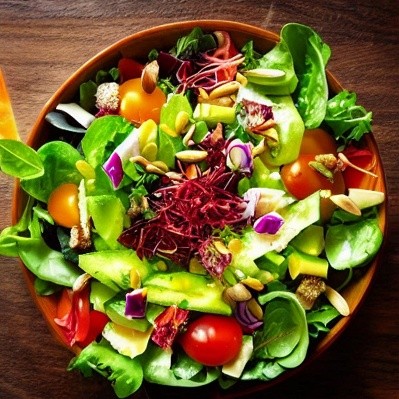
- The Mediterranean-style diet is a classic example of an anti-inflammatory pattern featuring (11):
- Extra virgin olive oil
- Fruits and vegetables
- Whole grains and legumes
- Fish and seafood
- Nuts and seeds

The Dietary Inflammatory Index (DII)
The DII quantifies a diet’s inflammatory potential (12).
Studies show:
- High DII (pro-inflammatory diets) → increased risk of cardiovascular disease, diabetes, colorectal cancer, IBD
- Low DII (anti-inflammatory diets) → lower disease risk
This reinforces a key message:
It is the cumulative dietary pattern, not single foods, that drives inflammation.

Nutrients in Context
Omega-3 Fats
- Incorporated into immune cell membranes
- Reduce pro-inflammatory mediator production
- Generate inflammation-resolving compounds (resolvins) (12)
Higher omega-3 intake consistently aligns with lower inflammatory markers.
Sugar & Refined Carbohydrates
- Isolating sugar shows small, inconsistent effects on CRP
- Context matters more than sugar alone
- Problems arise within calorie-excess, low-fibre diets
Saying ‘’sugar is inflammatory” without context is inaccurate.
Gluten & Grains
- Harmful only in celiac disease or if you have a diagnosed gluten sensitivity
- Whole grains are associated with lower CRP, not higher (1)
- Claims of universal gluten-induced inflammation are unsupported
- Cutting gluten may reduce symptoms for some people, but that doesn’t equal reduced inflammation
Dairy
- Neutral or beneficial in most populations (1)
- Fermented dairy often linked to anti-inflammatory profiles
- No evidence supporting routine dairy elimination for inflammation
- Unless you have an allergy, sensitivity or intolerance to dairy there is no need to avoid because of inflammation
Eggs
- No consistent increase in CRP in healthy individuals
- Nutrient-dense and well-tolerated by most people
Red Meat
- Context matters
- Processing, portion size, and overall diet quality are key (1)
- Moderate intake within a high-quality diet does not automatically increase inflammation
Important distinction:
- A food can cause symptoms without causing inflammation.

Lifestyle Factors That Influence Inflammation More Than Any Single Food
Diet matters, but it’s only part of the picture.
Sleep
- Sleep deprivation increases inflammatory markers (13)
- Poor sleep quality disrupts immune regulation (14)
Chronic Stress
- Dysregulated cortisol can promote inflammatory pathways (15)
- Stress management is a legitimate anti-inflammatory strategy
Physical Activity
- Regular movement lowers chronic inflammation
- Excessive inactivity increases risk even in people who “eat well” (15)
Body Fat Distribution
- Visceral fat is metabolically active and pro-inflammatory
- Improvements in metabolic health often reduce inflammation regardless of weight loss
Smoking & Alcohol
- Smoking strongly increases inflammation
- Alcohol shows a dose-dependent effect, excess intake increases inflammatory burden (16)
Key Takeaways
- Acute inflammation is essential; chronic unresolved inflammation is the problem
- Chronic inflammation mediates disease, it rarely acts alone
- Diet quality matters more than individual foods
- No food is inherently inflammatory outside of context: understanding the difference between symptoms and physiology is essential
- Wholefood, fibre-rich, omega-3-containing diets support immune balance
Practical Application
- Focus on overall diet quality
- Include omega-3-rich foods regularly
- Reduce excess calories and ultra-processed foods
- Avoid unnecessary food eliminations
- Use herbs and spices to enhance flavour and potentially support an anti-inflammatory diet, but treat them as additions, not substitutes, for overall diet quality.
If you’re concerned about inflammation, the most useful tools are:
- Clinical markers
- Context
References:
Hannoodee S, Nasuruddin DN. Acute Inflammatory Response. Nature [Internet]. 2024 Jun 8 [cited 2026 Jan 9];206(4979):20. Available from: https://www.ncbi.nlm.nih.gov/books/NBK556083/
2. Pahwa R, Goyal A, Jialal I. Chronic Inflammation. Pathobiology of Human Disease: A Dynamic Encyclopedia of Disease Mechanisms [Internet]. 2023 Aug 7 [cited 2026 Jan 9];300–14. Available from: https://www.ncbi.nlm.nih.gov/books/NBK493173/
3. Del Giudice M, Gangestad SW. Rethinking IL-6 and CRP: Why they are more than inflammatory biomarkers, and why it matters. Brain Behav Immun [Internet]. 2018 May 1 [cited 2026 Jan 9];70:61–75. Available from: https://pubmed.ncbi.nlm.nih.gov/29499302/
4. Feghali CA, Wright TM. Cytokines in acute and chronic inflammation. Front Biosci [Internet]. 1997 [cited 2026 Jan 9];2. Available from: https://pubmed.ncbi.nlm.nih.gov/9159205/
5. Minihane AM, Vinoy S, Russell WR, Baka A, Roche HM, Tuohy KM, et al. Low-grade inflammation, diet composition and health: current research evidence and its translation. Br J Nutr [Internet]. 2015 Oct 14 [cited 2026 Jan 9];114(7):999. Available from: https://pmc.ncbi.nlm.nih.gov/articles/PMC4579563/
6. Calder PC, Ahluwalia N, Brouns F, Buetler T, Clement K, Cunningham K, et al. Dietary factors and low-grade inflammation in relation to overweight and obesity. Br J Nutr [Internet]. 2011 [cited 2026 Jan 9];106 Suppl 3(SUPPL. 3). Available from: https://pubmed.ncbi.nlm.nih.gov/22133051/
7. Gkrinia EMM, Belančić A. The Mechanisms of Chronic Inflammation in Obesity and Potential Therapeutic Strategies: A Narrative Review. Curr Issues Mol Biol [Internet]. 2025 May 1 [cited 2026 Jan 9];47(5):357. Available from: https://pmc.ncbi.nlm.nih.gov/articles/PMC12110701/
8. Evans CEL. Dietary fibre and cardiovascular health: a review of current evidence and policy. Proceedings of the Nutrition Society [Internet]. 2020 [cited 2026 Jan 9];79(1):61–7. Available from: https://www.cambridge.org/core/journals/proceedings-of-the-nutrition-society/article/dietary-fibre-and-cardiovascular-health-a-review-of-current-evidence-and-policy/D32A613205AE6F23509F2381379131F8
9. Keshani M, Rafiee S, Heidari H, Rouhani MH, Sharma M, Bagherniya M. Mediterranean Diet Reduces Inflammation in Adults: A Systematic Review and Meta-analysis of Randomized Controlled Trials. Nutr Rev [Internet]. 2025 Nov 10 [cited 2026 Jan 9]; Available from: https://pubmed.ncbi.nlm.nih.gov/41211687/
10. Grosso G, Buscemi S, Galvano F, Mistretta A, Marventano S, Vela V La, et al. Mediterranean diet and cancer: epidemiological evidence and mechanism of selected aspects. BMC Surg [Internet]. 2013 Oct 8 [cited 2026 Jan 9];13 Suppl 2(SUPPL.2):S14–S14. Available from: https://europepmc.org/articles/PMC3850991
11. Ardini W, Bardosono S. Using the Dietary Inflammatory Index for Assessing Inflammatory Potential of Traditional Cuisine from Four Ethnic Groups in Indonesia. Journal of Food and Nutrition Research, Vol 8, 2020, Pages 168-171 [Internet]. 2020 Apr 27 [cited 2026 Jan 9];8(4):168–71. Available from: https://pubs.sciepub.com/jfnr/8/4/2/index.html
12. Cho HJ, Seeman TE, Kiefe CI, Lauderdale DS, Irwin MR. Sleep Disturbance and Longitudinal Risk of Inflammation: Moderating Influences of Social Integration and Social Isolation in the Coronary Artery Risk Development in Young Adults (CARDIA) Study. Brain Behav Immun [Internet]. 2015 May 1 [cited 2026 Jan 9];46:319. Available from: https://pmc.ncbi.nlm.nih.gov/articles/PMC4414819/
13. Mullington JM, Simpson NS, Meier-Ewert HK, Haack M. Sleep Loss and Inflammation. Best Pract Res Clin Endocrinol Metab [Internet]. 2010 Oct [cited 2026 Jan 9];24(5):775. Available from: https://pmc.ncbi.nlm.nih.gov/articles/PMC3548567/
14. Morey JN, Boggero IA, Scott AB, Segerstrom SC. Current Directions in Stress and Human Immune Function. Curr Opin Psychol [Internet]. 2015 Oct 1 [cited 2026 Jan 9];5:13. Available from: https://pmc.ncbi.nlm.nih.gov/articles/PMC4465119/
15. O’Connor MF, Irwin MR. Links between behavioral factors and inflammation. Clin Pharmacol Ther [Internet]. 2010 Apr [cited 2026 Jan 9];87(4):479. Available from: https://pmc.ncbi.nlm.nih.gov/articles/PMC2866374/
