

Every spring, allergy sufferers are inundated with advice online.
Cut dairy.
Go low histamine.
Take quercetin.
Try local honey.
Heal your gut.
For anyone living with allergic rhinitis (hay fever), the appeal of a dietary or “natural” solution is understandable. Symptoms such as sneezing, nasal congestion, itchy eyes, and postnasal drip can significantly affect sleep, concentration, and quality of life.
But while antihistamines and nasal sprays remain the key treatment, there is growing interest in whether diet, gut health, and broader lifestyle factors may also influence symptom severity.
As with a lot of nutrition science, the reality is more layered than social media often suggests.
There is no single food that causes hay fever, and no supplement that has been shown to reliably eliminate symptoms. However, several biological pathways may help explain why symptoms vary so much between individuals.
What Causes Allergic Rhinitis?
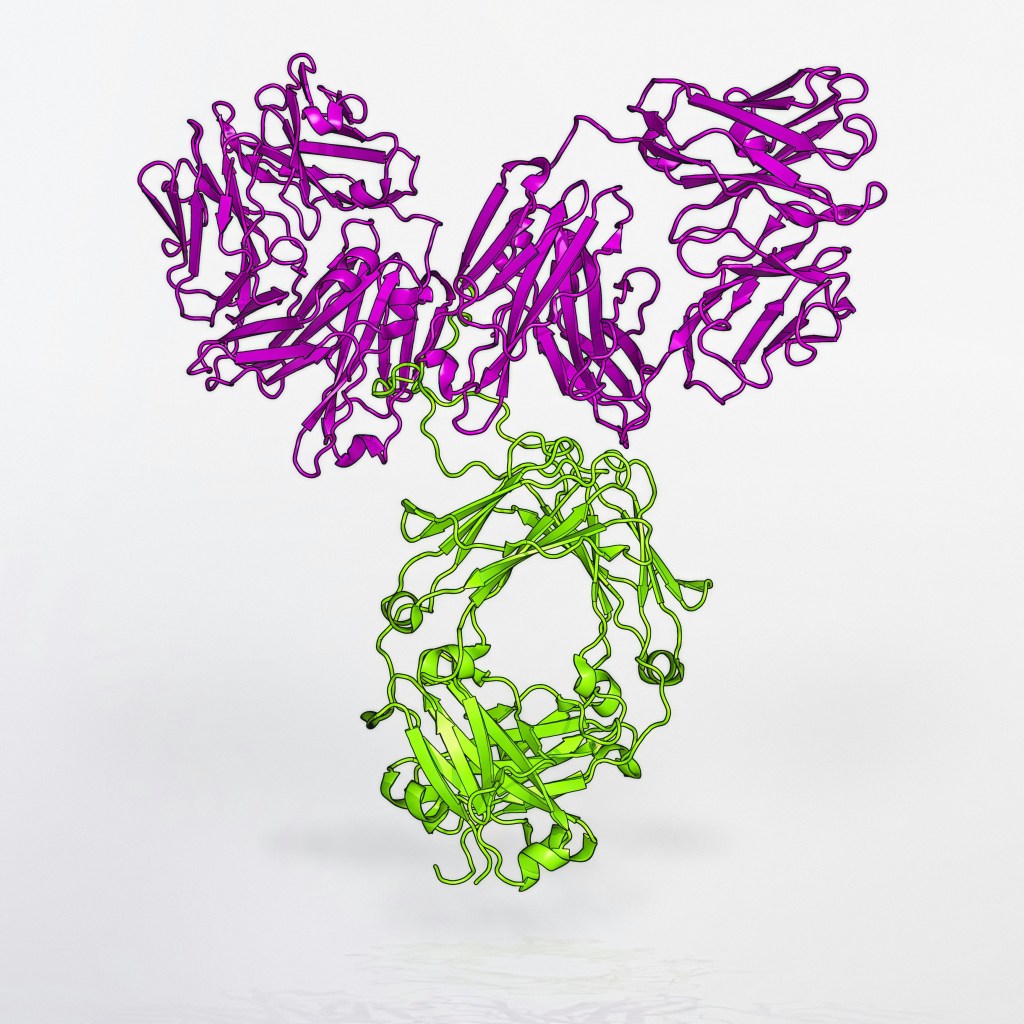
Allergic rhinitis (hay fever) is an IgE-mediated immune response to otherwise harmless environmental particles such as pollen, dust mites, mould spores, or animal dander (1).
In simple terms, the immune system mistakenly identifies these substances as a threat.
When exposure occurs, immune cells release inflammatory chemicals, most notably histamine, leading to the classic symptoms of allergic rhinitis (2),(3):
- sneezing
- nasal congestion
- runny nose
- itchy eyes, nose, and throat
This is why symptoms tend to follow seasonal patterns (such as grass or tree pollen seasons) or indoor exposures (such as dust mites or pets) (4).
However, not everyone exposed to the same allergens develops symptoms. This variation is thought to be influenced by a combination of genetic predisposition, immune system sensitivity, and environmental factors that may “prime” the allergic response over time (3).
In other words, allergic rhinitis is not simply a reaction to pollen; it reflects how the immune system has learned to respond to it (1).
Histamine: More Than Just a Nasal Symptom
Histamine is often discussed in the context of allergies, but its effects extend far beyond the nose and eyes. Histamine receptors are found throughout the body, helping explain why symptoms can affect multiple systems (5).
Alongside classic allergic rhinitis symptoms, histamine activity may be associated with (5),(6):
- headaches or migraines
- fatigue or difficulty concentrating
- digestive symptoms such as bloating or diarrhoea
- skin symptoms such as itching or hives
- flushing
- sleep disturbance
- palpitations in some individuals
This broader symptom pattern may help explain why some people feel unwell beyond the typical hay fever presentation.

How Histamine Is Broken Down: DAO, HNMT and Nutritional Considerations
The body regulates histamine through several enzymatic pathways.
Two of the most important enzymes are diamine oxidase (DAO) and histamine-N-methyltransferase (HNMT). DAO, produced primarily in the small intestine, helps break down histamine from food and gut-derived sources, while HNMT breaks down histamine within tissues such as the airways, skin and nervous system (7),(8).
Histamine metabolism is influenced by factors including genetics, gut health, medications and nutritional status (7),(9). Several nutrients, including vitamin B6, copper and vitamin C, have been identified as playing supportive roles in these pathways. However, evidence that supplementation improves allergic rhinitis symptoms in people who are not deficient remains limited (7).
DAO supplements have gained popularity among individuals who suspect histamine intolerance. While some early findings are promising, most research has focused on histamine intolerance rather than allergic rhinitis, and further research is needed (10).
Quercetin, a flavonoid found naturally in foods such as onions, apples and berries, is often promoted for hay fever. Laboratory studies suggest it may help stabilise mast cells and reduce histamine release, but clinical evidence remains limited, and larger studies are needed before firm conclusions can be drawn (11). Other supplements, including spirulina, have also been investigated, although evidence remains insufficient to support routine use (12).
For most people, established allergy management strategies, alongside a balanced diet and addressing any identified nutrient deficiencies, are likely to be more evidence-based approaches than relying on supplements alone (7),(10).

Saline Nasal Irrigation: Simple but Effective
Before looking at diet and supplements, it is worth highlighting one of the simplest evidence-based interventions for allergic rhinitis: saline nasal irrigation.
Using a saline rinse can help clear pollen, mucus and inflammatory mediators from the nasal passages. It is inexpensive, widely available, and has been shown in studies to reduce symptom severity and improve quality of life (13).
Other established treatments include (13):
- intranasal corticosteroids
- antihistamines
- allergen avoidance where possible
- allergen immunotherapy in selected cases
Lifestyle and dietary strategies may complement these approaches, but they are not replacements for medical treatment when needed.

Could Gut Health Play a Role in Allergies?
The gut microbiome is one of the most active areas of allergy research.
A large proportion of the immune system is in and around the gastrointestinal tract, and gut microbes play an important role in immune regulation and tolerance (14).
Research suggests that differences in gut microbial composition may be associated with allergic conditions, including allergic rhinitis. Proposed mechanisms include effects on immune tolerance, inflammatory signalling, gut barrier integrity and short-chain fatty acid production (14).
Interestingly, some gut bacteria can also produce histamine, while others may support histamine degradation pathways, highlighting another potential link between gut health and allergic symptoms (15).
However, this remains an emerging area of research rather than an established clinical mechanism (14),(15).
Probiotics and Allergic Rhinitis
Given the link between gut health and immunity, probiotics have been widely studied in allergic disease.
Strains investigated in allergic rhinitis research include:
- Lactobacillus paracasei (16)
- Lactobacillus rhamnosus (17)
- Lactobacillus acidophilus (17)
- Bifidobacterium longum (18)
- Bifidobacterium lactis (19)
Some studies show modest improvements in symptoms and quality of life, while others show little to no effect. Differences in strain, dosage and study design make conclusions difficult (16-19)
At present, probiotics may be helpful for some individuals, but there is no single recommended strain or protocol. More research is needed before specific recommendations can be made.

Diet: Patterns Matter More Than Individual Foods
Despite the popularity of food “triggers”, evidence tends to support dietary patterns rather than specific foods (20).
A Mediterranean-style dietary pattern, rich in:
- vegetables and fruit
- legumes
- whole grains
- nuts and seeds
- olive oil
- oily fish
has been associated with improved inflammatory profiles and overall immune health.
While this does not prove cause and effect, it highlights the potential role of overall dietary quality in supporting immune health (20).
The Low-Histamine Diet
Because histamine plays a central role in allergic reactions, low-histamine diets have become popular.
Foods often labelled as high histamine include (7):
- aged cheeses
- processed meats
- alcohol
- fermented foods
- vinegar-containing products
Some individuals report improvements in symptoms when reducing these foods, but overall evidence remains limited (10).
Responses likely vary depending on individual differences in histamine metabolism, gut microbiome composition and other factors that are not yet fully understood (10).
For most people, overly restrictive elimination diets are unlikely to be necessary and may reduce dietary variety unnecessarily.
What About Local Honey?
Local honey is often suggested as a natural remedy for hay fever, based on the idea that it exposes the body to local pollen.
However, current evidence does not support honey as an effective treatment for allergic rhinitis (21).
One proposed explanation is that honey contains primarily nectar-derived pollen, which differs from the airborne pollens that commonly trigger seasonal allergies (21). This differs significantly from allergen immunotherapy, which uses controlled allergen exposure under medical supervision (22).
While generally safe in moderation, local honey should not be considered a treatment for hay fever based on current evidence (22),(21).
Lifestyle Factors That Are Often Overlooked
Alongside diet, several lifestyle factors can influence allergic symptoms.
Sleep and stress both play important roles in immune regulation and inflammatory responses. Poor sleep and chronic stress have been associated with worsening allergy symptoms in some individuals (23).
Practical strategies include:
- showering after outdoor exposure during high pollen counts
- changing clothes after being outside
- keeping windows closed during peak pollen periods
- using High Efficiency Particulate Air Filter (HEPA) filtration where appropriate
- prioritising sleep quality
- supporting stress management (23)
These may not be the most “viral” interventions, but they are often among the most effective in everyday practice.
Key Takeaways
- Allergic rhinitis is driven by an immune response to environmental allergens such as pollen, dust mites and animal dander.
- Histamine plays a central role in symptoms, but its effects extend beyond the nose and eyes.
- Saline nasal irrigation remains one of the simplest and most evidence-supported supportive interventions.
- A Mediterranean-style dietary pattern may help support overall immune health.
- Gut health and probiotics are promising areas of research, but evidence remains mixed.
- Low-histamine diets and DAO supplements may help some individuals, but they are not universally recommended.
- Sleep, stress management and environmental measures remain important parts of symptom management
Conclusion
Allergic rhinitis is a multifactorial condition influenced by immune responses, environmental exposures and individual variability.
While histamine metabolism, gut health and diet are all interesting and evolving areas of research, the strongest evidence still supports a foundation of:
- evidence-based medical treatments when needed
- a varied, nutrient-dense dietary pattern
- good sleep and stress management
- Practical environmental strategies during allergy season
There is rarely a single dietary fix for allergic rhinitis. Instead, the most useful approach is usually a combination of sensible lifestyle strategies alongside appropriate medical care.
As is often the case in nutrition science, the most reliable answers tend to be the least extreme.
References
1. Broide DH. Allergic rhinitis: Pathophysiology. Allergy Asthma Proc. 2010 Sep;31(5):370–4. doi:10.2500/AAP.2010.31.3388 PubMed PMID: 20929602.
2. Gelfand EW. Inflammatory mediators in allergic rhinitis. Journal of Allergy and Clinical Immunology. 2004 Nov;114(5 SUPPL.). doi:10.1016/j.jaci.2004.08.043 PubMed PMID: 15536444.
3. Xu X, Liu X, Li J, Deng X, Dai T, Ji Q, et al. Environmental Risk Factors, Protective Factors, and Biomarkers for Allergic Rhinitis: A Systematic Umbrella Review of the Evidence. Clin Rev Allergy Immunol. 2023 Aug 1;65(2):188. doi:10.1007/S12016-023-08964-2 PubMed PMID: 37490237.
4. Bush RK. Etiopathogenesis and management of perennial allergic rhinitis: a state-of-the-art review. Treat Respir Med. 2004;3(1):45–57. doi:10.2165/00151829-200403010-00006 PubMed PMID: 15174893.
5. Panula P, Chazot PL, Cowart M, Gutzmer R, Leurs R, Liu WLS, et al. International Union of Basic and Clinical Pharmacology. XCVIII. Histamine Receptors. Pharmacol Rev. 2015 Jul 1;67(3):601. doi:10.1124/PR.114.010249 PubMed PMID: 26084539.
6. Haas HL, Sergeeva OA, Selbach O. Histamine in the Nervous System [Internet]. 2008. doi:10.1152/physrev.00043.2007
7. Maintz L, Novak N. Histamine and histamine intolerance. American Journal of Clinical Nutrition. 2007 May 1;85(5):1185–96. doi:10.1093/ajcn/85.5.1185 PubMed PMID: 17490952.
8. Kovacova-Hanuskova E, Buday T, Gavliakova S, Plevkova J. Histamine, histamine intoxication and intolerance. Allergol Immunopathol (Madr). 2015 Sep 1;43(5):498–506. doi:10.1016/J.ALLER.2015.05.001 PubMed PMID: 26242570.
9. Comas-Basté O, Latorre-Moratalla ML, Bernacchia R, Veciana-Nogués MT, Vidal-Carou MC. New approach for the diagnosis of histamine intolerance based on the determination of histamine and methylhistamine in urine. J Pharm Biomed Anal. 2017 Jul 5;145:379–85. doi:10.1016/J.JPBA.2017.06.029 PubMed PMID: 28715791.
10. Comas-Basté O, Sánchez-Pérez S, Veciana-Nogués MT, Latorre-Moratalla M, Vidal-Carou MDC. Histamine intolerance: The current state of the art. Biomolecules. 2020 Aug 1;10(8):1–26. doi:10.3390/BIOM10081181 PubMed PMID: 32824107.
11. Mlcek J, Jurikova T, Skrovankova S, Sochor J. Quercetin and Its Anti-Allergic Immune Response. Molecules 2016, Vol 21, Page 623. 2016 May 12;21(5):623. doi:10.3390/MOLECULES21050623 PubMed PMID: 27187333.
12. Nourollahian M, Rasoulian B, Gafari A, Anoushiravani M, Jabari F, Bakhshaee M. Clinical comparison of the efficacy of spirulina platensis and cetirizine for treatment of allergic rhinitis. Acta Otorhinolaryngologica Italica. 2020 Jun 1;40(3):224. doi:10.14639/0392-100X-N0139 PubMed PMID: 32773785.
13. Dykewicz MS, Wallace D V., Amrol DJ, Baroody FM, Bernstein JA, Craig TJ, et al. Rhinitis 2020: A practice parameter update. Journal of Allergy and Clinical Immunology. 2020 Oct 1;146(4):721–67. doi:10.1016/J.JACI.2020.07.007 PubMed PMID: 32707227.
14. Hu Y, Zhang R, Li J, Wang H, Wang M, Ren Q, et al. Association Between Gut and Nasal Microbiota and Allergic Rhinitis: A Systematic Review. J Asthma Allergy. 2024;17:633–51. doi:10.2147/JAA.S472632
15. Barcik W, Wawrzyniak M, Akdis CA, O’Mahony L. Immune regulation by histamine and histamine-secreting bacteria. Curr Opin Immunol. 2017 Oct 1;48:108–13. doi:10.1016/J.COI.2017.08.011 PubMed PMID: 28923468.
16. Costa DJ, Marteau P, Amouyal M, Poulsen LK, Hamelmann E, Cazaubiel M, et al. Efficacy and safety of the probiotic Lactobacillus paracasei LP-33 in allergic rhinitis: a double-blind, randomized, placebo-controlled trial (GA2LEN Study). Eur J Clin Nutr. 2014;68(5):602–7. doi:10.1038/EJCN.2014.13 PubMed PMID: 24569538.
17. Kawase M, He F, Kubota A, Hiramatsu M, Saito H, Ishii T, et al. Effect of fermented milk prepared with two probiotic strains on Japanese cedar pollinosis in a double-blind placebo-controlled clinical study. Int J Food Microbiol. 2009 Jan 15;128(3):429–34. doi:10.1016/j.ijfoodmicro.2008.09.017 PubMed PMID: 18977549.
18. Odamaki T, Xiao JZ, Iwabuchi N, Sakamoto M, Takahashi N, Kondo S, et al. Influence of Bifidobacterium longum BB536 intake on faecal microbiota in individuals with Japanese cedar pollinosis during the pollen season. J Med Microbiol. 2007 Oct;56(10):1301–8. doi:10.1099/jmm.0.47306-0 PubMed PMID: 17893165.
19. Singh A, Hacini-Rachinel F, Gosoniu ML, Bourdeau T, Holvoet S, Doucet-Ladeveze R, et al. Immune-modulatory effect of probiotic Bifidobacterium lactis NCC2818 in individuals suffering from seasonal allergic rhinitis to grass pollen: an exploratory, randomized, placebo-controlled clinical trial. Eur J Clin Nutr. 2013 Feb;67(2):161–7. doi:10.1038/EJCN.2012.197 PubMed PMID: 23299716.
20. Sureda A, del Mar Bibiloni M, Julibert A, Bouzas C, Argelich E, Llompart I, et al. Adherence to the Mediterranean Diet and Inflammatory Markers. Nutrients 2018, Vol 10, Page 62. 2018 Jan 10;10(1):62. doi:10.3390/NU10010062 PubMed PMID: 29320413.
21. Rajan T V., Tennen H, Lindquist RL, Cohen L, Clive J. Effect of ingestion of honey on symptoms of rhinoconjunctivitis. Annals of Allergy, Asthma & Immunology. 2002 Feb 1;88(2):198–203. doi:10.1016/S1081-1206(10)61996-5 PubMed PMID: 11868925.
22. Wallace D V., Dykewicz MS, Oppenheimer J, Portnoy JM, Lang DM. Pharmacologic treatment of seasonal allergic rhinitis: Synopsis of guidance from the 2017 joint task force on practice parameters. Ann Intern Med. 2017 Dec 19;167(12):876–81. doi:10.7326/M17-2203 PubMed PMID: 29181536.
23. Bousquet J, Khaltaev N, Cruz AA, Denburg J, Fokkens WJ, Togias A, et al. Allergic Rhinitis and its Impact on Asthma (ARIA) 2008 update (in collaboration with the World Health Organization, GA2LEN and AllerGen). Allergy: European Journal of Allergy and Clinical Immunology. 2008 Apr 1;63(SUPPL. 86):8–160. doi:10.1111/J.1398-9995.2007.01620.X;WEBSITE:WEBSITE:PERICLES;ISSUE:ISSUE:DOI PubMed PMID: 18331513.
