
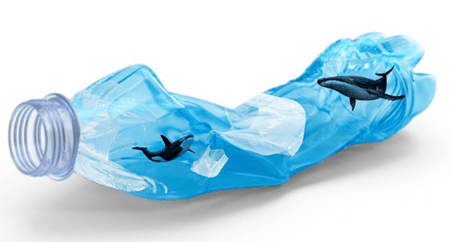
Over the past few years, microplastics have moved from a niche environmental topic into mainstream public health discussion. Media coverage often highlights potential links between microplastics and a wide range of health conditions.
At the same time, scientific research into their effects on human health is still in its early stages. While the environmental consequences of plastic pollution are well documented, translating these findings into conclusions about human health is considerably more complex.
Understanding what we know, what we suspect, and what remains uncertain is key to interpreting this growing body of research.
What Are Microplastics?
Microplastics are generally defined as plastic particles smaller than 5 millimetres. They can originate from two main sources:
- Primary microplastics are manufactured intentionally at small sizes for use in industrial applications or consumer products.
- Secondary microplastics are formed when larger plastic items break down over time due to sunlight, mechanical stress, and environmental degradation.
Even smaller particles, often called nanoplastics (<1 μm), are increasingly studied because they may behave differently in biological systems (1).
Environmental Impacts Are Well Established
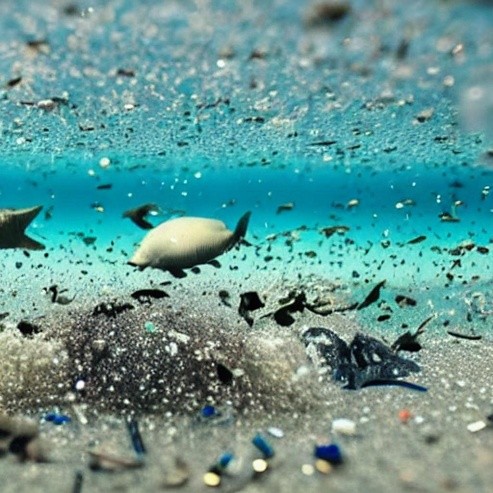
The ecological impacts of plastic pollution are well documented. Microplastics have been detected throughout marine, freshwater, and terrestrial environments, and numerous studies show effects on wildlife (2, 3).
Marine organisms, including fish, shellfish, and seabirds, frequently ingest plastic fragments. In some species, this has been linked to reduced feeding efficiency, impaired growth, inflammation, and physical obstruction of digestive systems (4, 5).
These findings come largely from decades of research in marine ecology and environmental toxicology. However, environmental harm does not automatically imply equivalent risks to human health, as the biological pathways involved may differ substantially.
Evidence of Human Exposure
Researchers have begun detecting microplastics in human tissues and biological samples, including:
- Blood samples (6)
- Lung tissue (7)
- Placenta (8)
- Stool samples (9)
Studies published in journals such as Environment International and Science of the Total Environment demonstrate that human exposure is widespread. However, detecting particles in human tissues does not necessarily mean they cause disease. These studies primarily show exposure, not health effects.
Sources of Human Exposure
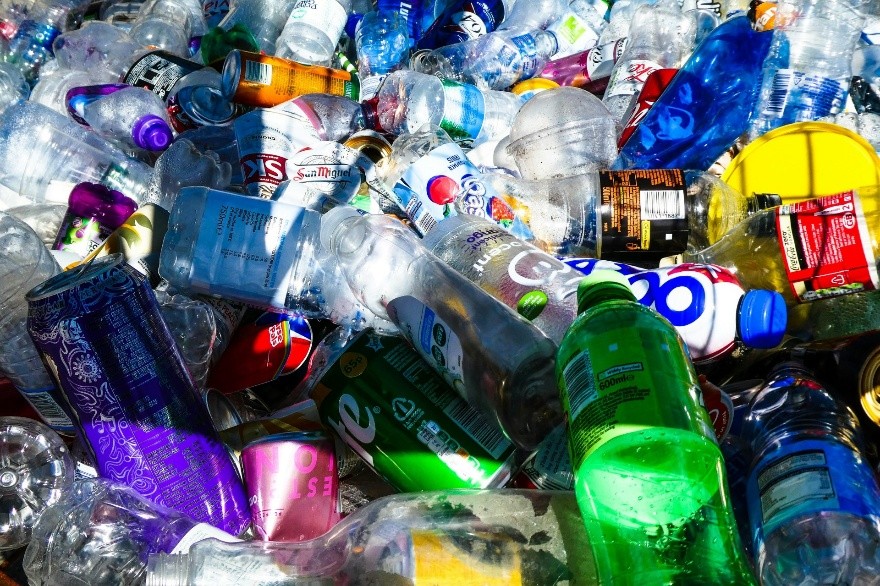
Microplastics are present in many parts of the environment, meaning humans are exposed through multiple pathways (10-13), including:
- Food and drinking water
- Airborne particles
- Environmental dust
- Consumer products and packaging
Because exposure can occur through several routes simultaneously, estimating total individual exposure over time is difficult.
Synthetic Textiles and Indoor Air
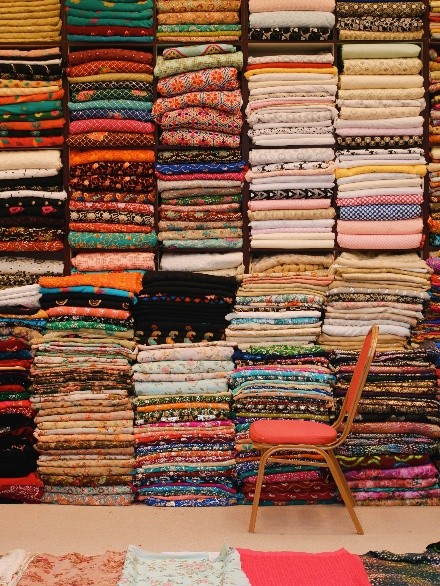
Synthetic textiles are an often-overlooked source of microplastic exposure. Many modern fabrics are made from polyester, nylon, and acrylic, which are forms of plastic engineered into fibres.
During washing, drying, and everyday wear, these materials can shed microscopic fibres known as microfibres (14). Studies of indoor environments show that airborne microplastics are often dominated by textile fibres (15). Because people in industrialised countries spend much of their time indoors, inhalation may represent an additional exposure pathway alongside ingestion (16).
The health implications of inhaling these fibres remain uncertain.

Why Studying Human Health Effects Is Difficult
Determining whether microplastics affect human health presents several challenges:
Everyone is Already Exposed
Microplastics are so widespread that nearly everyone is exposed to some degree. This makes it extremely difficult to identify a truly unexposed comparison group (17). Randomised controlled trials are not feasible.
Measuring Exposure Is Complex
Microplastics vary in:
- Size
- Shape
- Polymer type
- Chemical additives
- Surface characteristics (18)
Analytical techniques are still evolving, and different labs use different methods, making comparisons difficult (19).
Relevant Exposure Levels Are Unknown
In toxicology, risk depends on the relationship between dose and biological response (19). For microplastics, scientists do not yet know:
- What exposure levels may be harmful
- Whether specific particle sizes or polymer types pose greater risks
- Which biomarkers reliably indicate health effects
Without this information, it is hard to interpret the significance of particles detected in human tissues.
What Emerging Research Suggests
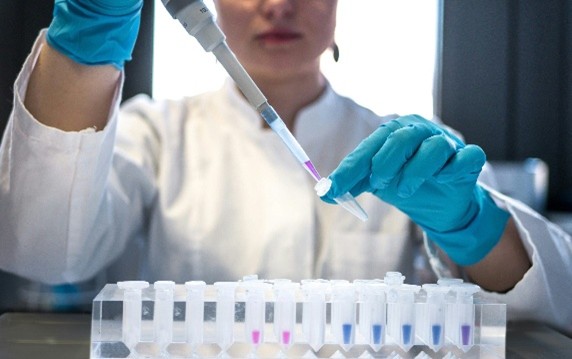
Although evidence in humans remains limited, studies are exploring possible biological mechanisms. Laboratory studies suggest microplastics could:
- Trigger inflammatory responses (18)
- Interact with gut microbiota (20)
- Act as carriers for environmental contaminants (21)
However, many experiments use concentrations far higher than typical environmental exposures. Observational human studies are still small and cannot establish causation. For example, a study in the New England Journal of Medicine reported microplastics in arterial plaques and an association with cardiovascular events (22), but it cannot determine whether the particles contributed to disease or simply reflect broader exposure.

Chemical Additives May Also Be Relevant
Plastics often contain chemical additives, including plasticisers, stabilisers, and flame retardants (23, 24). Some, such as Bisphenol A (BPA) and phthalates, have been studied extensively for potential health effects.
Some biological effects attributed to microplastics may partly result from the chemicals associated with them rather than from the plastic particles themselves.
In Summary
Current evidence supports several conclusions:
Well established:
- Plastic pollution harms ecosystems and wildlife
- Humans are exposed to microplastics through multiple pathways
Plausible but not yet proven:
- Microplastics may have biological effects on humans
Still unknown:
- Exposure thresholds associated with harm
- Long-term health consequences
- Which particle types are most biologically relevant
Research is expanding rapidly, but many questions remain unanswered.
Interpreting the Science
Microplastics are widespread, and humans are likely exposed through food, drinking water, and indoor air. Researchers are exploring how these particles and their associated chemicals interact with the body, but evidence for direct health effects remains limited. Many lab studies use higher concentrations than humans typically encounter, and human studies are still small and observational.
Given these uncertainties, early findings should be interpreted cautiously. Scientific understanding develops gradually as methods improve and results are replicated.
For now, the clearest evidence concerns the environmental impacts of plastic pollution, while human health effects remain an evolving field. Practical steps, such as reducing unnecessary plastic use, choosing reusable products, and supporting efforts to limit plastic pollution, benefit the environment regardless of direct health impacts. At the same time, it’s important to stay grounded in evidence: claims that microplastics are already causing widespread human disease go beyond what current research can demonstrate.
While the full story of microplastics and human health is still unfolding, making small changes to reduce plastic use is a practical way anyone can contribute to a cleaner, healthier environment today.
References
1. Winiarska E, Jutel M, Zemelka-Wiacek M. The potential impact of nano- and microplastics on human health: Understanding human health risks. Environ Res. 2024 Jun 15;251(Pt 2). doi:10.1016/j.envres.2024.118535 PubMed PMID: 38460665.
2. Savoca MS, McInturf AG, Hazen EL. Plastic ingestion by marine fish is widespread and increasing. Glob Chang Biol. 2021 May 1;27(10):2188–99. doi:10.1111/gcb.15533 PubMed PMID: 33561314.
3. Tuuri EM, Leterme SC. How plastic debris and associated chemicals impact the marine food web: A review. Environmental Pollution. 2023 Mar 15;321. doi:10.1016/j.envpol.2023.121156 PubMed PMID: 36709917.
4. Banaee M, Multisanti CR, Impellitteri F, Piccione G, Faggio C. Environmental toxicology of microplastic particles on fish: A review. Comparative Biochemistry and Physiology Part – C: Toxicology and Pharmacology. 2025 Jan 1;287. doi:10.1016/j.cbpc.2024.110042 PubMed PMID: 39306266.
5. Zolotova N, Kosyreva A, Dzhalilova D, Fokichev N, Makarova O. Harmful effects of the microplastic pollution on animal health: a literature review. PeerJ. 2022 Jun 14;10. doi:10.7717/peerj.13503 PubMed PMID: 35722253.
6. Leslie HA, van Velzen MJM, Brandsma SH, Vethaak AD, Garcia-Vallejo JJ, Lamoree MH. Discovery and quantification of plastic particle pollution in human blood. Environ Int. 2022 May 1;163. doi:10.1016/j.envint.2022.107199 PubMed PMID: 35367073.
7. Jenner LC, Rotchell JM, Bennett RT, Cowen M, Tentzeris V, Sadofsky LR. Detection of microplastics in human lung tissue using μFTIR spectroscopy. Science of the Total Environment. 2022 Jul 20;831. doi:10.1016/j.scitotenv.2022.154907 PubMed PMID: 35364151.
8. Ragusa A, Matta M, Cristiano L, Matassa R, Battaglione E, Svelato A, et al. Deeply in Plasticenta: Presence of Microplastics in the Intracellular Compartment of Human Placentas. Int J Environ Res Public Health. 2022 Sep 1;19(18). doi:10.3390/ijerph191811593 PubMed PMID: 36141864.
9. Schwabl P, Koppel S, Konigshofer P, Bucsics T, Trauner M, Reiberger T, et al. Detection of Various Microplastics in Human Stool: A Prospective Case Series. Ann Intern Med. 2019 Oct 1;171(7):453–7. doi:10.7326/M19-0618 PubMed PMID: 31476765.
10. Cox KD, Covernton GA, Davies HL, Dower JF, Juanes F, Dudas SE. Human Consumption of Microplastics. Environ Sci Technol. 2019 Jun 18;53(12):7068–74. doi:10.1021/acs.est.9b01517 PubMed PMID: 31184127.
11. Mortensen NP, Fennell TR, Johnson LM. Unintended human ingestion of nanoplastics and small microplastics through drinking water, beverages, and food sources. NanoImpact. 2021 Jan 1;21. doi:10.1016/j.impact.2021.100302 PubMed PMID: 35559768.
12. Zhang Q, Xu EG, Li J, Chen Q, Ma L, Zeng EY, et al. A Review of Microplastics in Table Salt, Drinking Water, and Air: Direct Human Exposure. Environ Sci Technol. 2020 Apr 7;54(7):3740–51. doi:10.1021/acs.est.9b04535 PubMed PMID: 32119774.
13. Yang T, Wang J. Exposure sources and pathways of micro- and nanoplastics in the environment, with emphasis on potential effects in humans: A systematic review. Integr Environ Assess Manag. 2023 Nov 1;19(6):1422–32. doi:10.1002/ieam.4742 PubMed PMID: 36661032.
14. Henry B, Laitala K, Klepp IG. Microfibres from apparel and home textiles: Prospects for including microplastics in environmental sustainability assessment. Science of the Total Environment. 2019 Feb 20;652:483–94. doi:10.1016/j.scitotenv.2018.10.166 PubMed PMID: 30368178.
15. Dris R, Gasperi J, Saad M, Mirande C, Tassin B. Synthetic fibers in atmospheric fallout: A source of microplastics in the environment? Mar Pollut Bull. 2016 Mar 15;104(1–2):290–3. doi:10.1016/j.marpolbul.2016.01.006 PubMed PMID: 26787549.
16. Vianello A, Jensen RL, Liu L, Vollertsen J. Simulating human exposure to indoor airborne microplastics using a Breathing Thermal Manikin. Sci Rep. 2019 Dec 1;9(1). doi:10.1038/s41598-019-45054-w PubMed PMID: 31209244.
17. Kannan K, Vimalkumar K. A Review of Human Exposure to Microplastics and Insights Into Microplastics as Obesogens. Front Endocrinol (Lausanne). 2021 Aug 18;12:724989. doi:10.3389/fendo.2021.724989 PubMed PMID: 34484127.
18. Guzzetti E, Sureda A, Tejada S, Faggio C. Microplastic in marine organism: Environmental and toxicological effects. Environ Toxicol Pharmacol. 2018 Dec 1;64:164–71. doi:10.1016/j.etap.2018.10.009 PubMed PMID: 30412862.
19. Yang T, Wang J. Exposure sources and pathways of micro- and nanoplastics in the environment, with emphasis on potential effects in humans: A systematic review. Integr Environ Assess Manag. 2023 Nov 1;19(6):1422–32. doi:10.1002/ieam.4742 PubMed PMID: 36661032.
20. Fackelmann G, Sommer S. Microplastics and the gut microbiome: How chronically exposed species may suffer from gut dysbiosis. Mar Pollut Bull. 2019 Jun 1;143:193–203. doi:10.1016/j.marpolbul.2019.04.030 PubMed PMID: 31789155.
21. Browne MA, Crump P, Niven SJ, Teuten E, Tonkin A, Galloway T, et al. Accumulation of microplastic on shorelines woldwide: sources and sinks. Environ Sci Technol. 2011 Nov 1;45(21):9175–9. doi:10.1021/es201811s PubMed PMID: 21894925.
22. Marfella R, Prattichizzo F, Sardu C, Fulgenzi G, Graciotti L, Spadoni T, et al. Microplastics and Nanoplastics in Atheromas and Cardiovascular Events. N Engl J Med. 2024 Mar 7;390(10):900–10. doi:10.1056/nejmoa2309822 PubMed PMID: 38446676.
23. Wagner M, Lambert S. Freshwater Microplastics – The Handbook of Environmental Chemistry 58 [Internet]. 2018;302. doi:10.1007/978-3-319-61615-5 PubMed PMID: 29580559.
24. Rochman CM. Microplastics research-from sink to source. Science (1979). 2018 Apr 6;360(6384):28–9. doi:10.1126/science.aar7734 PubMed PMID: 29622640.
