
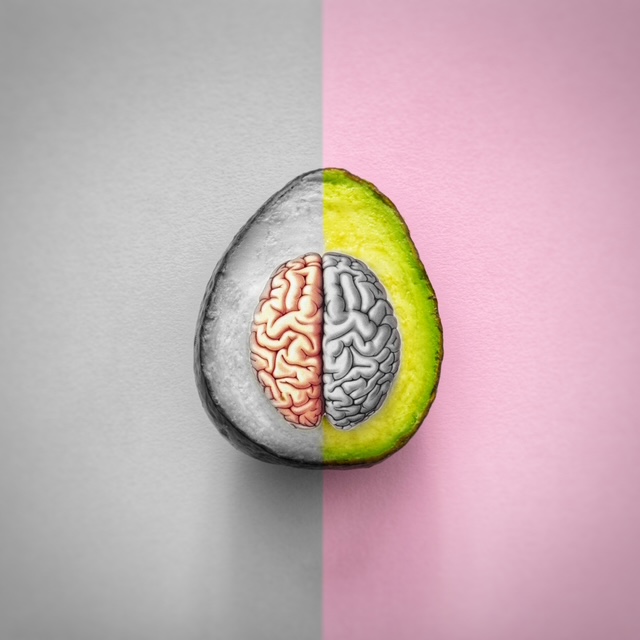
Can What You Eat Protect Your Brain?
In a previous post, I explored the 14 modifiable risk factors for dementia identified by the Lancet Commission on Dementia Prevention, Intervention, and Care. These include lifestyle elements such as physical activity, smoking, social connection, and hearing loss, areas backed by robust evidence. While we cannot change our chronological age or the genes we inherit, emerging research shows that gene expression can be influenced by modifiable factors such as nutrition and lifestyle. This positions diet as a potentially important factor in maintaining cognitive function and supporting long-term brain health. As global interest in dementia prevention grows, so too does curiosity about the role of diet. This post builds on that foundation by taking a closer look at how nutrition influences cognitive health, and why it deserves greater attention in dementia prevention frameworks.

Nutrients That Support Brain Health
Nutrition can influence both day-to-day brain performance and long-term cognitive resilience. Given the limited success of drug treatments for Alzheimer’s disease, more attention is being given to dietary strategies that might help prevent or slow cognitive decline.
Emerging nutrients of interest include:
- B vitamins – important for homocysteine regulation and neurotransmitter synthesis (1)
- Vitamins D and E – for immune and antioxidant functions
- Omega-3 fatty acids, choline, and polyphenols – for inflammation and membrane integrity
- Gut health and the microbiome – due to its wide-reaching impact on the brain
These findings point towards a need for personalised, multi-nutrient approaches rather than generalised dietary advice.
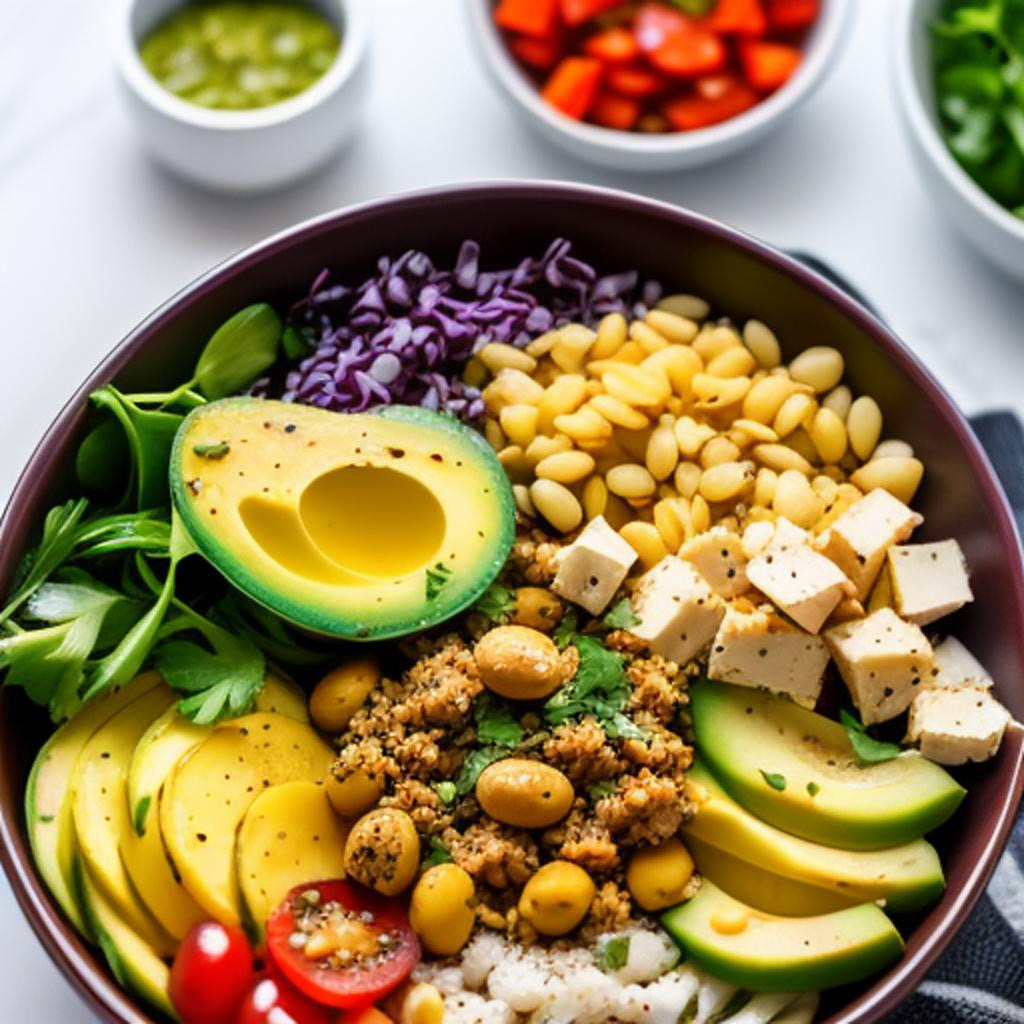
Mediterranean & MIND Diets
Two of the most studied eating patterns in brain health are the Mediterranean and MIND (Mediterranean-DASH Intervention for Neurodegenerative Delay) diets.
What the research shows:
- Both diets are rich in fibre, healthy fats (especially omega-3s), and antioxidant plant compounds.
- Long-term studies suggest they are linked to a lower risk of Alzheimer’s and slower memory decline (2).
- The MIND diet places added emphasis on leafy greens, berries, nuts, legumes, and fish, while limiting saturated fat and added sugars (3).
However, findings from clinical trials are mixed. Results suggest individual factors, such as genetics, gut health, and lifestyle, likely influence how effective these diets are for brain health.
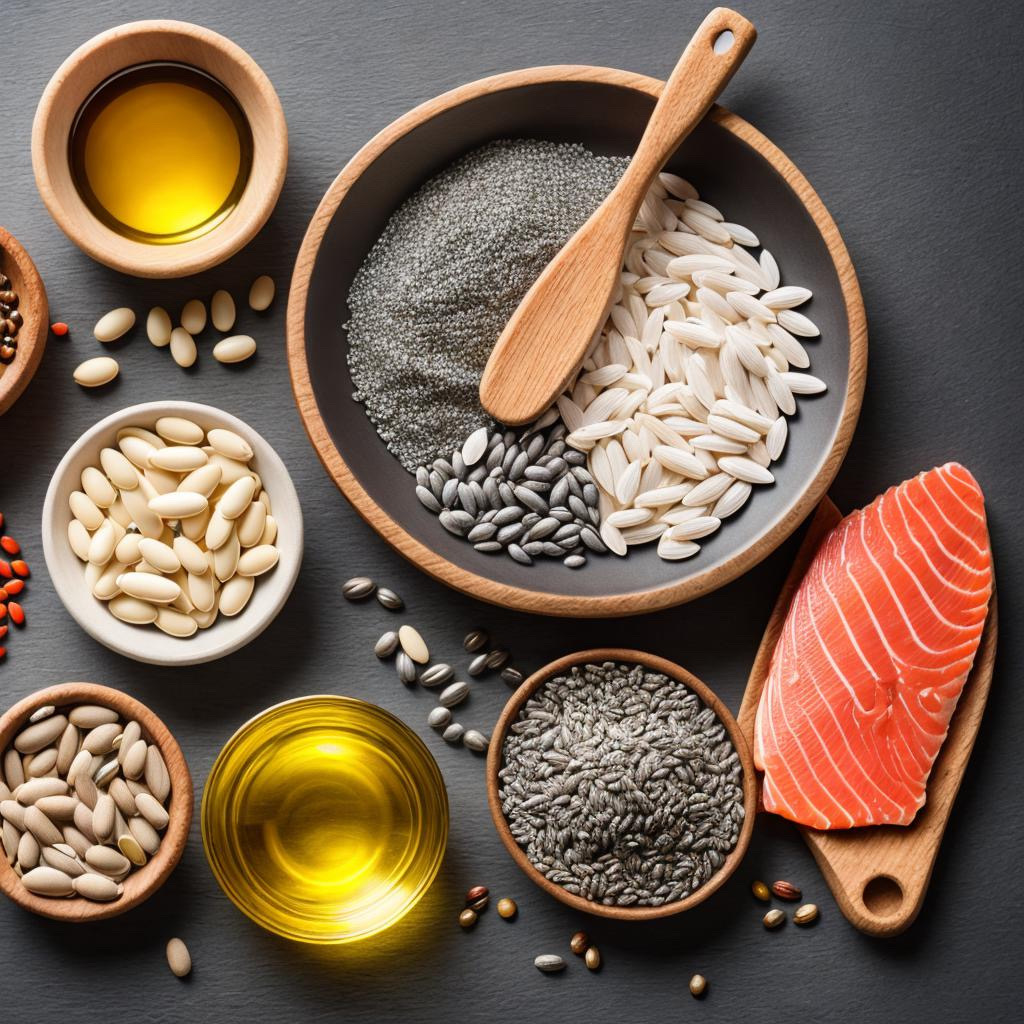
Omega-3 Fatty Acids (DHA & EPA)
Omega-3 fatty acids, especially DHA and EPA, play essential roles in brain development and inflammation control.
Key findings:
- Higher fish intake (salmon, sardines, mackerel) is linked with a lower risk of cognitive decline (4)(5).
- One study found that just one fish meal per week was associated with a 60% lower risk of Alzheimer’s (6).
- Higher blood levels of DHA are linked to better memory and larger brain volume.
- Supplements may benefit people with low omega-3 levels or mild cognitive impairment, though less so in later disease stages (7) (8) (9) (10).
Omega-3s are not a cure-all, but they are an evidence-based part of a brain-supportive diet.

B Vitamins (B6, B9, B12)
These vitamins help regulate homocysteine, support neurotransmitter production, and contribute to brain metabolism.
What the research shows:
- Elevated homocysteine (a naturally occurring amino acid in the blood, regulated by B vitamins) is linked to cognitive decline and brain shrinkage (11) (12) (13).
- The VITACOG trial found B vitamins significantly slowed brain atrophy in people with mild cognitive impairment, especially when omega-3 levels were adequate (13)(14).
- B6 levels may be particularly important in predicting future cognitive risk (15).
These nutrients are most effective as part of a broader, tailored nutrition plan.

Polyphenols and Antioxidants
Polyphenols are found in berries, tea, cocoa, and spices like turmeric. They work alongside antioxidant vitamins like C and E.
How they help:
- Reduce brain inflammation and oxidative stress
- Support blood flow and brain plasticity
Research highlights:
- Regular intake of flavonoid-rich foods (berries, cocoa, tea) is linked to better memory and slower cognitive ageing.
- In the Nurses’ Health Study, berry intake delayed cognitive ageing by up to 2.5 years (16).
- Some studies show acute memory and focus improvements even within hours of consuming these foods (17)(18)(19)(20).
Whole foods tend to outperform single supplements, likely due to the synergistic effect of multiple compounds.

Choline and Phospholipids
Choline supports memory, attention, and neuronal membrane integrity. It is a precursor to acetylcholine, a neurotransmitter critical for learning.
Evidence suggests:
- Higher choline intake is associated with better memory and reduced dementia risk.
- Phosphatidylcholine may reduce amyloid-beta buildup, a hallmark of Alzheimer’s.
- My own published review (PMID: 39357562) highlights the potential of choline-rich diets to support neuroplasticity (21).
Top food sources: eggs (yolk), liver, soy, salmon, broccoli, quinoa.
Choline-rich foods are a practical part of a brain-supportive diet, especially when consumed regularly.

The Gut–Brain Axis
Your gut and brain are in constant communication via the microbiome (trillions of microbes living in your gut), which can impact memory, mood, and cognitive function.
What we know:
• Gut bacteria produce short-chain fatty acids (SCFAs, anti-inflammatory compounds made when fibre is fermented), which may reduce brain inflammation and help support the blood-brain barrier (22).
• An imbalance in gut microbes, known as dysbiosis, has been linked to cognitive changes, anxiety, and depression (23).
Gut-supportive foods:
- Prebiotics: garlic, onions, leeks, oats, bananas
- Probiotics: yogurt with live cultures, kefir, sauerkraut, kimchi
- Fermented foods: miso, tempeh, kombucha (23).
A diverse, fibre-rich diet with fermented foods may help protect cognitive health as we age.

Vitamin D and the Brain
Vitamin D regulates inflammation and supports brain regions involved in memory.
Research shows:
- Low levels (<30 nmol/L) are associated with higher dementia risk and poorer memory (25)(26).
- Optimal levels (around 60–70 nmol/L) are linked to better cognitive function (27).
- Supplementation may benefit those with low baseline levels.
Food sources: oily fish, egg yolks, fortified cereals, milk, and plant milks. Sunlight also helps, but varies by season, geography, and skin tone.
Summary – How Do Nutrients Support Brain Function?
Here are the key ways nutrients influence brain health:
- Energy production: B vitamins help neurons meet high energy demands.
- Blood-brain barrier integrity: Omega-3s and other nutrients help maintain this protective shield.
- Inflammation control: Polyphenols and omega-3s may reduce chronic brain inflammation.
- Oxidative stress protection: Antioxidants like vitamins C and E may help neutralise damaging free radicals.
- Neurotransmitter synthesis: Nutrients like choline and B6 support communication between brain cells.
- Structural support: DHA and B vitamins help preserve brain structure and slow atrophy.
Conclusion
While nutrition is not a stand-alone solution for preventing or treating cognitive decline, the evidence linking diet and brain health continues to grow.
Personalised dietary interventions, including whole dietary patterns like the Mediterranean and MIND diets, and nutrients such as omega-3s, B vitamins, and choline, offer promising avenues for supporting cognitive function across the lifespan.
This remains an evolving area of science that deserves greater attention in both public health and clinical practice.
References
1. de Wilde MC, Vellas B, Girault E, Yavuz AC, Sijben JW. Lower brain and blood nutrient status in Alzheimer’s disease: Results from meta-analyses. Alzheimer’s & Dementia : Translational Research & Clinical Interventions [Internet]. 2017 Sep 1 [cited 2025 May 26];3(3):416. Available from: https://pmc.ncbi.nlm.nih.gov/articles/PMC5651428/
2. Morris MC, Tangney CC, Wang Y, Sacks FM, Bennett DA, Aggarwal NT. MIND diet associated with reduced incidence of Alzheimer’s disease. Alzheimer’s and Dementia [Internet]. 2015 Sep 1 [cited 2025 May 26];11(9):1007–14. Available from: https://pubmed.ncbi.nlm.nih.gov/25681666/
3. de Crom TOE, Mooldijk SS, Ikram MK, Ikram MA, Voortman T. MIND diet and the risk of dementia: a population-based study. Alzheimers Res Ther [Internet]. 2022 Dec 1 [cited 2025 May 26];14(1). Available from: https://pubmed.ncbi.nlm.nih.gov/35022067/
4. Barberger-Gateau P, Letenneur L, Deschamps V, Pérès K, Dartigues JF, Renaud S. Fish, meat, and risk of dementia: cohort study. BMJ : British Medical Journal [Internet]. 2002 Oct 26 [cited 2025 May 26];325(7370):932. Available from: https://pmc.ncbi.nlm.nih.gov/articles/PMC130057/
5. Kalmijn S, Van Boxtel MPJ, Ocké M, Verschuren WMM, Kromhout D, Launer LJ. Dietary intake of fatty acids and fish in relation to cognitive performance at middle age. Neurology [Internet]. 2004 Jan 27 [cited 2025 May 26];62(2):275–80. Available from: https://pubmed.ncbi.nlm.nih.gov/14745067/
6. Morris MC, Evans DA, Bienias JL, Tangney CC, Bennett DA, Wilson RS, et al. Consumption of fish and n-3 fatty acids and risk of incident Alzheimer disease. Arch Neurol [Internet]. 2003 Jul 1 [cited 2025 May 26];60(7):940–6. Available from: https://pubmed.ncbi.nlm.nih.gov/12873849/
7. Lee LK, Shahar S, Chin AV, Yusoff NAM. Docosahexaenoic acid-concentrated fish oil supplementation in subjects with mild cognitive impairment (MCI): A 12-month randomised, double-blind, placebo-controlled trial. Psychopharmacology (Berl) [Internet]. 2013 Feb [cited 2025 May 26];225(3):605–12. Available from: https://pubmed.ncbi.nlm.nih.gov/22932777/
8. Zhang X, Han H, Ge X, Liu L, Wang T, Yu H. Effect of n-3 long-chain polyunsaturated fatty acids on mild cognitive impairment: a meta-analysis of randomized clinical trials. Eur J Clin Nutr [Internet]. 2020 Apr 1 [cited 2025 May 26];74(4):548–54. Available from: https://pubmed.ncbi.nlm.nih.gov/31804628/
9. Canhada S, Castro K, Perry IS, Luft VC. Omega-3 fatty acids’ supplementation in Alzheimer’s disease: A systematic review. Nutr Neurosci [Internet]. 2018 Sep 14 [cited 2025 May 26];21(8):529–38. Available from: https://pubmed.ncbi.nlm.nih.gov/28466678/
10. Deshmukh GV, Niaz H, Bai R, Kim DH, Kim JW, Asghar J, et al. The Role of Omega-3 Fatty Acid Supplementation in Slowing Cognitive Decline Among Elderly Patients With Alzheimer’s Disease: A Systematic Review of Randomized Controlled Trials. Cureus [Internet]. 2024 Nov 10 [cited 2025 May 26];16(11). Available from: https://pubmed.ncbi.nlm.nih.gov/39659348/
11. Hooshmand B, Solomon A, Kåreholt I, Leiviskä J, Rusanen M, Ahtiluoto S, et al. Homocysteine and holotranscobalamin and the risk of Alzheimer disease: A longitudinal study. Neurology [Internet]. 2010 Oct 19 [cited 2025 May 26];75(16):1408–14. Available from: https://pubmed.ncbi.nlm.nih.gov/20956786/
12. Smith AD, Refsum H. Homocysteine, B Vitamins, and Cognitive Impairment. Annu Rev Nutr [Internet]. 2016 Jul 17 [cited 2025 May 26];36:211–39. Available from: https://pubmed.ncbi.nlm.nih.gov/27431367/
13. Smith AD, Smith SM, de Jager CA, Whitbread P, Johnston C, Agacinski G, et al. Homocysteine-lowering by b vitamins slows the rate of accelerated brain atrophy in mild cognitive impairment: A randomized controlled trial. PLoS One [Internet]. 2010 [cited 2025 May 26];5(9):1–10. Available from: https://pubmed.ncbi.nlm.nih.gov/20838622/
14. Douaud G, Refsum H, De Jager CA, Jacoby R, Nichols TE, Smith SM, et al. Preventing Alzheimer’s disease-related gray matter atrophy by B-vitamin treatment. Proc Natl Acad Sci U S A [Internet]. 2013 Jun 4 [cited 2025 May 26];110(23):9523–8. Available from: https://pubmed.ncbi.nlm.nih.gov/23690582/
15. Hughes CF, Ward M, Tracey F, Hoey L, Molloy AM, Pentieva K, et al. B-vitamin intake and biomarker status in relation to cognitive decline in healthy older adults in a 4-year follow-up study. Nutrients [Internet]. 2017 Jan 10 [cited 2025 May 26];9(1). Available from: https://pubmed.ncbi.nlm.nih.gov/28075382/
16. Devore EE, Grodstein F, Van Rooij FJA, Hofman A, Stampfer MJ, Witteman JCM, et al. Dietary antioxidants and long-term risk of dementia. Arch Neurol [Internet]. 2010 Jul [cited 2025 May 26];67(7):819–25. Available from: https://pubmed.ncbi.nlm.nih.gov/20625087/
17. Krikorian R, Nash TA, Shidler MD, Shukitt-Hale B, Joseph JA. Concord grape juice supplementation improves memory function in older adults with mild cognitive impairment. British Journal of Nutrition [Internet]. 2010 Mar [cited 2025 May 26];103(5):730–4. Available from: https://pubmed.ncbi.nlm.nih.gov/20028599/
18. Krikorian R, Shidler MD, Nash TA, Kalt W, Vinqvist-Tymchuk MR, Shukitt-Hale B, et al. Blueberry Supplementation Improves Memory in Older Adults. J Agric Food Chem [Internet]. 2010 Apr 14 [cited 2025 May 26];58(7):3996. Available from: https://pmc.ncbi.nlm.nih.gov/articles/PMC2850944/
19. Whyte AR, Williams CM. Effects of a single dose of a flavonoid-rich blueberry drink on memory in 8 to 10y old children. Nutrition [Internet]. 2015 Mar 1 [cited 2025 May 26];31(3):531–4. Available from: https://pubmed.ncbi.nlm.nih.gov/25701345/
20. Whyte AR, Cheng N, Butler LT, Lamport DJ, Williams CM. Flavonoid-Rich Mixed Berries Maintain and Improve Cognitive Function Over a 6 h Period in Young Healthy Adults. Nutrients [Internet]. 2019 Nov 1 [cited 2025 May 26];11(11):2685. Available from: https://pmc.ncbi.nlm.nih.gov/articles/PMC6893475/
21. Conway T, Seidler K, Barrow M. Unlocking choline’s potential in Alzheimer’s disease: A narrative review exploring the neuroprotective and neurotrophic role of phosphatidylcholine and assessing its impact on memory and learning. Clin Nutr ESPEN [Internet]. 2024 Dec 1 [cited 2025 May 27];64:177–95. Available from: https://pubmed.ncbi.nlm.nih.gov/39357562/
22. Silva YP, Bernardi A, Frozza RL. The Role of Short-Chain Fatty Acids From Gut Microbiota in Gut-Brain Communication. Front Endocrinol (Lausanne) [Internet]. 2020 Jan 31 [cited 2025 May 31];11:25. Available from: https://pmc.ncbi.nlm.nih.gov/articles/PMC7005631/
23. Askarova S, Umbayev B, Masoud AR, Kaiyrlykyzy A, Safarova Y, Tsoy A, et al. The Links Between the Gut Microbiome, Aging, Modern Lifestyle and Alzheimer’s Disease. Front Cell Infect Microbiol [Internet]. 2020 Mar 18 [cited 2025 May 31];10:104. Available from: https://pmc.ncbi.nlm.nih.gov/articles/PMC7093326/
24. Aslam H, Green J, Jacka FN, Collier F, Berk M, Pasco J, et al. Fermented foods, the gut and mental health: a mechanistic overview with implications for depression and anxiety. Nutr Neurosci [Internet]. 2020 Sep 1 [cited 2025 May 27];23(9):659–71. Available from: https://pubmed.ncbi.nlm.nih.gov/30415609/
25. van der Schaft J, Koek HL, Dijkstra E, Verhaar HJJ, van der Schouw YT, Emmelot-Vonk MH. The association between vitamin D and cognition: A systematic review. Ageing Res Rev [Internet]. 2013 Sep [cited 2025 May 26];12(4):1013–23. Available from: https://pubmed.ncbi.nlm.nih.gov/23727408/
26. Van Schoor NM, Comijs HC, Llewellyn DJ, Lips P. Cross-sectional and longitudinal associations between serum 25-hydroxyvitamin D and cognitive functioning. Int Psychogeriatr [Internet]. 2016 May 1 [cited 2025 May 26];28(5):759–68. Available from: https://pubmed.ncbi.nlm.nih.gov/26691864/
27. Harse JD, Marriott RJ, Zhu K, Murray K, Bucks RS. Vitamin D status and cognitive performance in community-dwelling adults: A dose-response meta-analysis of observational studies. Front Neuroendocrinol [Internet]. 2023 Jul 1 [cited 2025 May 26];70. Available from: https://pubmed.ncbi.nlm.nih.gov/37268277/
