
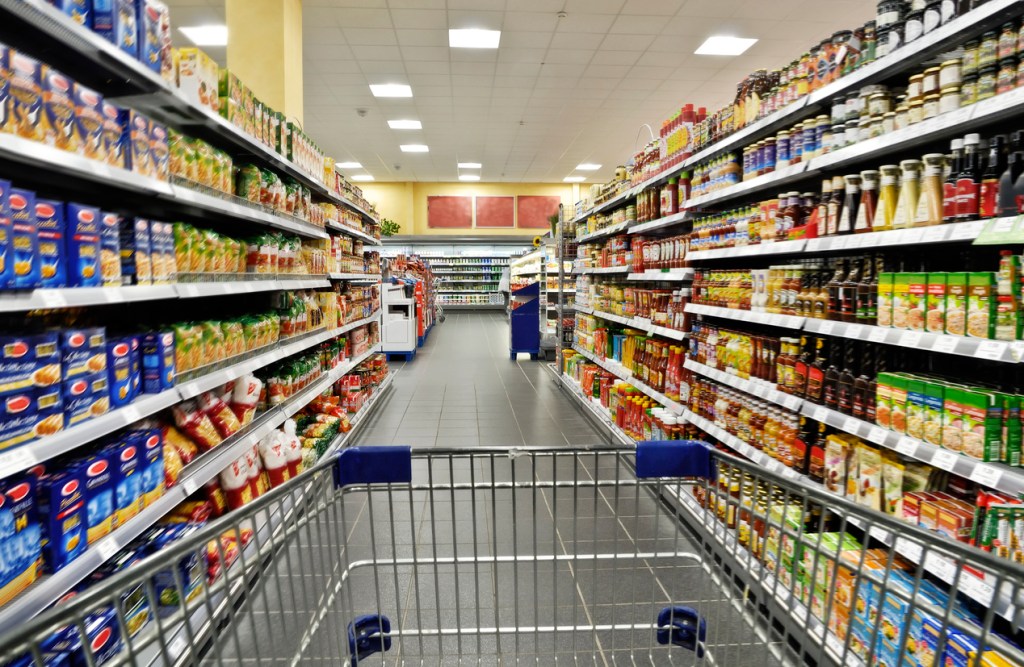
Food labelling is regulated to protect consumers, however understanding food labels and nutritional details on packages can be confusing for many. Determining the sugar content or the healthiness of ingredients often leaves shoppers confused, despite claims of health on product packaging. With many claims such as ‘’sugar free’’, ‘’fat free’’, ‘’low fat’’ , ‘’gluten free’’, ‘’high protein’’ etc, it is vital to separate attractive labelling from the contents of food items. In this article, guidance is offered on navigating food labels effectively, ensuring you can read them with confidence and understand what you are purchasing.
Here is what is covered:
- What are Nutrition labels and why are they important?
- Understanding serving sizes.
- Calories and macronutrients.
- Ingredients list.
- Nutrients to limit.
- Nutrients to include.
- Front of pack information.
- Tips.
- Conclusion and action steps.
What are Nutrition labels and why are they important?
In Ireland, nutrition labels are regulated by the Food Safety Authority of Ireland (FSAI) under EU law (1). Nutrition labels provide valuable information about the nutritional content of foods, helping consumers check the amounts of protein, fats and carbohydrates as well as additional information on saturated fats, sugars, fibre and salt. Information on calories is usually provided in kilojoules (kj) and kilocalories (kcal). Most pre-packaged foods have a nutrition label displayed on the back or side of the package.
Understanding Serving Size
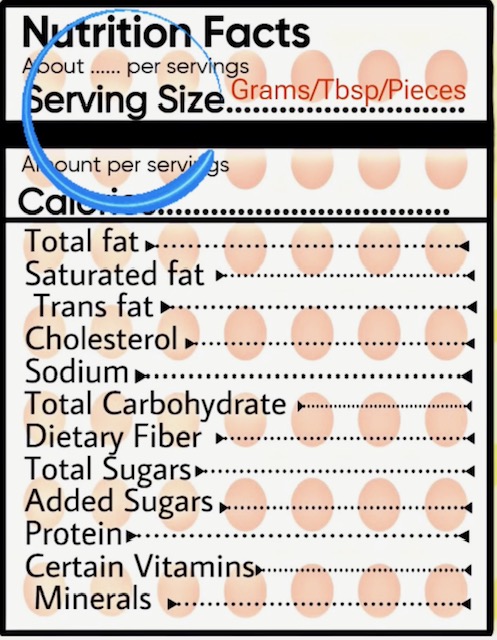
Serving size information is provided at the top of the label indicating the recommended portion size for that food or beverage. The serving size is usually listed in measurements such as grams, tablespoons or pieces, making it easier to understand. All the information presented on the label, including the amounts of nutrients and calories, relates to one serving of the product e.g. if a serving size of a cereal is listed as 30 grams and that label states that it contains 100 calories, 1g of fat and 25g of carbohydrate, these values are for one serving of the cereal. If you are interested in knowing the nutritional value if you consume more than 30g of the cereal, you will need to adjust these values to accurately reflect your intake. Remember, the serving size is a general indicator and not a recommendation for everyone.
Calories and Macronutrients
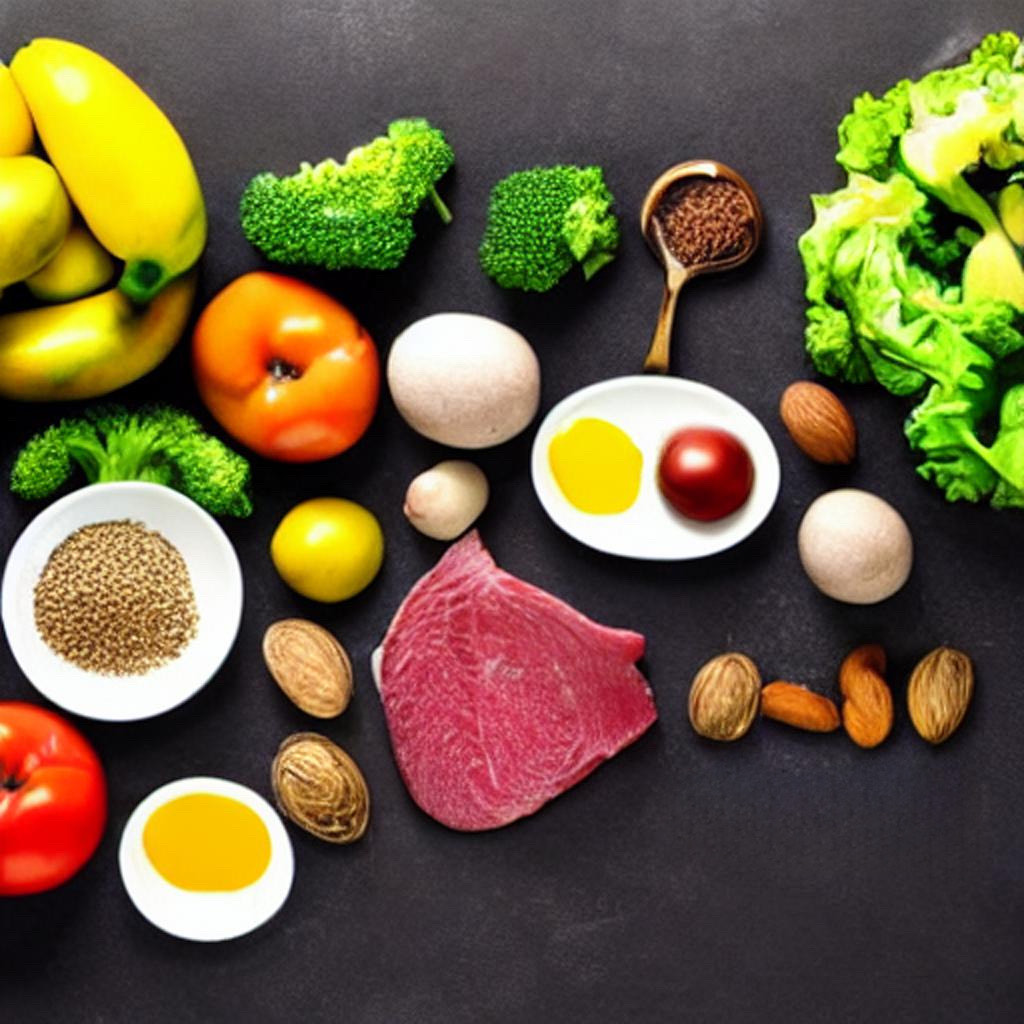
The amounts of calories and macronutrients (protein, carbohydrates, fats) on a nutrition label are listed per 100g/ml of the product and as a percentage reference intake value per 100g (%RI). This % is based off a 2,000-calorie diet, but calorie needs can vary depending on a range of factors including age, sex, weight, height and activity level. To avoid confusion, focus on the numbers on the left-hand side of the label instead of the %RI.
- Calories: Calories are units of energy derived from food and beverages. The information on a label refers to calories per serving. Understanding the calorie content of a food item can help make informed choices about portion sizes, however it is important to note that not all calories are created equally, and the nutrient content of a food is just as important to consider.
- Carbohydrates: Carbohydrates are the body’s primary source of energy. They are broken down into glucose, which fuels the body’s cells and provides energy for daily activities. However, not all carbohydrates are created equally. By focusing on the amount and source (e.g. whole grain versus refined grains) can help individuals make healthier choices and maintain stable blood sugar levels.
- Protein: Adequate protein intake is necessary for overall health, muscle growth, and maintenance. Paying attention to protein content helps individuals ensure they are meeting their daily protein needs, especially for those who are physically active or looking to build muscle.
- Fats: Fats are an essential part of a balanced diet and play various roles in the body, including providing energy, supporting cell growth, protecting organs and aiding in the absorption of fat-soluble vitamins. However, not all fats are created equally in terms of impact on health. Paying attention to the types of fats (saturated, unsaturated, trans) and their quantities helps individuals make healthier choices to support heart health and overall well-being.
Ingredients List
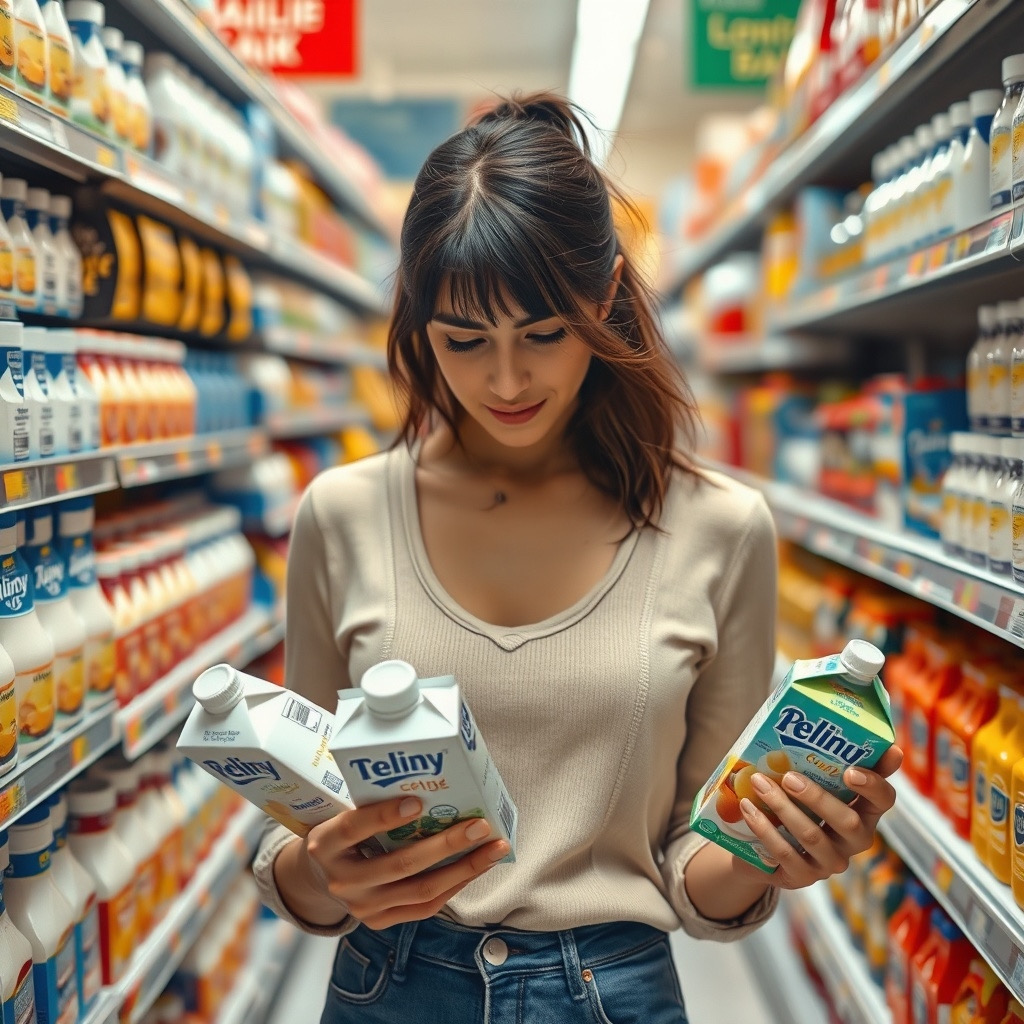
The list of ingredients on the packaging can help understand how healthy the food is. The ingredients are listed in descending order, by weight, with the main ingredients listed first. For example, if the first few ingredients are butter, margarine, or oil then that food is a high-fat food. The ingredients list can be reviewed to see if there are any additives, preservatives, artificial ingredients, or allergens that you want to avoid.
- Artificial Sweeteners: Common artificial sweeteners such as aspartame, saccharin, and sucralose are considered safe for consumption for healthy individuals, yet they are the subject of much controversy. These are often found in diet drinks, sugar-free sweets and various other processed foods providing sweetness without the calories of sugar. They have been linked to various health concerns including recent research on regular use associated with negative effects on gut microbes (2,3). However, the evidence within the current literature is conflicting. Nevertheless, the World Health Organisation (WHO) recommends against the use of sweeteners for weight loss and weight related disease (4). Ultimately, moderation and individual tolerance are key factors that play a role when deciding whether to consume artificial sweeteners.
- Colours, flavourings, and additives: Added to food to enhance its colour or flavour, extend its shelf life, or improve and modify it in some way. Additives, flavourings, and food colourings are strictly regulated and have been checked for safety in food. These regulations are in line with current scientific evidence available and are under continual review, as new evidence may emerge on the safety and possible long-term health impact. For many people, additives are hard to avoid as they are found in many foods so choosing whole foods where possible and learning to read food labels can help to reduce intake.
- Allergens: Allergens that may be present in the food is highlighted separately on the packaging for individuals with food allergies or sensitivities. Common allergens include peanuts, tree nuts, dairy, eggs, soy, wheat, eggs, fish, and shellfish.

Nutrients to Limit
- Saturated Fat: Saturated fats are primarily found in animal products such as meat and dairy, as well as in some plant-based oils like coconut oil and palm oil. Consuming high amounts of saturated fat has been linked to an increased risk of heart disease and stroke (5). In Ireland, it is recommended to limit saturated fat intake to less than 10% of total daily calories. For a 2,000-calorie diet, this equates to no more than 20 grams of saturated fat per day. A guideline to tell if a specific food is high in saturated fat:
- High: more than 5g of saturated fat per 100g of product.
- Low: 1.5g of saturated fat or less per 100g
- Trans Fats: Trans fats are primarily found in partially hydrogenated oils used in processed and fried foods. They raise LDL (bad) cholesterol levels and lower HDL (good) cholesterol levels, increasing the risk of heart disease. The WHO recommend keeping trans-fat intake as low as possible (no more than 1% of total calories). Ideally, trans fat consumption should be avoided altogether.
- Added sugars: Added sugars are sugars and syrups that are added to foods or beverages during processing or preparation. “Added sugars” excludes naturally occurring sugars present in intact fruit, vegetables, dairy products or in juiced or pureed fruit and vegetables.
The WHO recommend limiting added sugar intake to no more than 25 grams/100 calories (6 teaspoons) per day for women and 36 grams/150 calories (9 teaspoons) per day for men (this does not include natural sugars in fresh fruit, vegetables and milk) (6). A guideline to tell if a specific food is high in sugar:
- High: more than 22.5g of total sugars per 100g
- Low: 5g of total sugars or less per 100g
However, it is important to note that ‘total sugars’ on a label contain both sugars added during processing and sugars found naturally in foods such as whole fruits, vegetables and dairy products. Apart from sugars, whole foods are composed of several other components which can regulate the absorption of sugar e.g. fibre. On the other hand, naturally occurring sugars from fruits or vegetables that are juiced or pureed such as unsweetened orange juice, are known as ‘’free sugars’’. The sugars are removed from the food structure and separated from the fibre and therefore are absorbed much faster so consumption should be limited. Unfortunately, food labels do not differentiate between free sugars and naturally occurring sugars which can be confusing as both have different effects in the body.
- Salt: Most dietary salt comes from processed and prepared foods, rather than added during cooking or at the table, so being mindful of processed food consumption is crucial in reducing salt intake. In Ireland general recommendations are to consume no more than 6g (approx. 1.5 teaspoons) of salt per day for adults and proportionally lower for children (based on weight) (7). These recommendations are based on the association between high salt intake and increased risk of hypertension (high blood pressure) and related cardiovascular diseases. Reducing salt intake can help lower blood pressure and decrease the risk of heart disease and stroke. A guideline to tell if a specific food is high in salt:
- High: more than 1.5g of salt per 100g (or 0.6g sodium)
- Low: 0.3g of salt or less per 100g (or 0.1g sodium)

Nutrients to Include
- Vitamins and minerals may be indicated on the product. These numbers refer to how much of specific nutrients are in one serving of the food as a percentage of the daily recommended intake. Recommended intakes give an indication of how a vitamin or mineral fits into your daily diet.
- Fibre: Manufacturers can choose to include the fibre content of the food on the packaging. Incorporating a variety of fibre-rich foods into your diet is essential for promoting overall health and well-being. Fruits, vegetables, whole grains, legumes, nuts, and seeds are all excellent sources of dietary fibre. General recommendations suggest that adults should aim for around 25g to 30g of dietary fibre per day. A guideline to tell if a product contains high fibre:
- ‘High Fibre’ contains at least 6g of fibre per 100g.
- ‘Source of Fibre’ contains at least 3g of fibre per 100g.
Front of Pack Information:
- Some packaging provides red, amber and green colour coded repeated information at the front of the pack (traffic light labelling) . This information tells you at a glance if the food has high, medium or low amounts of fat, saturated fat, sugars and salt with red indicating high, amber means medium and green means low.

Image of colour coded Front of pack Nutrition label.
Tips for selecting healthier options at the supermarket:
- Start with the serving size: The serving size tells you the quantity the nutritional information is based on. Check the serving size listed on the label with the amount you consume.
- Compare products: Compare similar products based on their nutrition labels. Look for healthier options with lower amounts of saturated fats, salt and added sugars and higher amounts of fibre, vitamins and minerals.
- Traffic light labelling: For a quick healthier choice, aim for more greens and ambers and less reds from front of pack nutrition rating labels.
- Ignore claims on the front of the packaging: Do not rely on health claims on the front of packaging as contents can vary by brand and preparation, read the label at the back of the product. Phrases like “low-fat,” “sugar-free,” or “all-natural” may sound healthy, but it’s essential to read the entire label and ingredient list to understand the nutritional value of the product fully e.g. light or low-fat products may have reduced calories or fat but may have something else added instead, such as sugar. ‘’Gluten free’’ does not mean healthy, it simply means the product is free from wheat, barley or rye. It may still contain many other unhealthy ingredients.
- Check the ingredients: Ingredients are listed in descending order by weight, so the first few ingredients make up the majority of the product. Be cautious of products with a long list of ingredients e.g. ingredients with more than 2-3 lines, which may suggest the item is highly processed containing many artificial additives or preservatives.
- Watch out for hidden sugars: Sugars can be indicated by many different names no matter how natural they sound. These may include agave syrup, beet sugar, coconut sugar, molasses, cane sugar, brown sugar, honey, anything ending in ‘ose’ such as fructose, maltose, dextrose and many more.
- Avoid added sugars: Check the ingredients list for ‘’added sugars’’ and if you are interested in reducing your sugar intake then choose foods with little to no added sugars.
- Check for allergens: If you have food allergies or intolerances, carefully read the ingredient list to ensure the product does not contain any allergens that could trigger a reaction.
Conclusion and actions steps:
Choosing whole, minimally processed foods whenever possible can help you avoid potentially harmful additives and ingredients. However, if you purchase packaged foods regularly then you may want to remember to differentiate between lower-quality items and those of higher quality using the helpful tips provided in this article. Remember, healthy shopping is about making informed choices.
References
1. Food Labelling | Food Safety Authority of Ireland [Internet]. [cited 2025 Mar 31]. Available from: https://www.fsai.ie/consumer-advice/food-labelling
2. Ruiz-Ojeda FJ, Plaza-Díaz J, Sáez-Lara MJ, Gil A. Effects of Sweeteners on the Gut Microbiota: A Review of Experimental Studies and Clinical Trials. Advances in Nutrition [Internet]. 2019 Jan 1 [cited 2025 Mar 31];10(Suppl 1):S31. Available from: https://pmc.ncbi.nlm.nih.gov/articles/PMC6363527/
3. Suez J, Korem T, Zeevi D, Zilberman-Schapira G, Thaiss CA, Maza O, et al. Artificial sweeteners induce glucose intolerance by altering the gut microbiota. Nature [Internet]. 2014 Oct 9 [cited 2025 Mar 31];514(7521):181–6. Available from: https://pubmed.ncbi.nlm.nih.gov/25231862/
4. WHO advises not to use non-sugar sweeteners for weight control in newly released guideline [Internet]. [cited 2025 Mar 31]. Available from: https://www.who.int/news/item/15-05-2023-who-advises-not-to-use-non-sugar-sweeteners-for-weight-control-in-newly-released-guideline
5. Hooper L, Martin N, Jimoh OF, Kirk C, Foster E, Abdelhamid AS. Reduction in saturated fat intake for cardiovascular disease. Cochrane Database Syst Rev [Internet]. 2020 Aug 22 [cited 2025 Mar 31];2020(8):CD011737. Available from: https://pmc.ncbi.nlm.nih.gov/articles/PMC8092457/
6. WHO calls on countries to reduce sugars intake among adults and children [Internet]. [cited 2025 Mar 31]. Available from: https://www.who.int/news/item/04-03-2015-who-calls-on-countries-to-reduce-sugars-intake-among-adults-and-children/
7. Report of the Scientific Committee of the Food Safety Authority of Ireland Salt and Health: Review of the Scientific Evidence and Recommendations for Public Policy in Ireland (Revision 1) Salt and Health: Review of the Scientific Evidence and Recommendations for Public Policy in Ireland (Revision 1). [cited 2025 Mar 31]; Available from: http://www.fsai.ie
