
Functional Nutrition
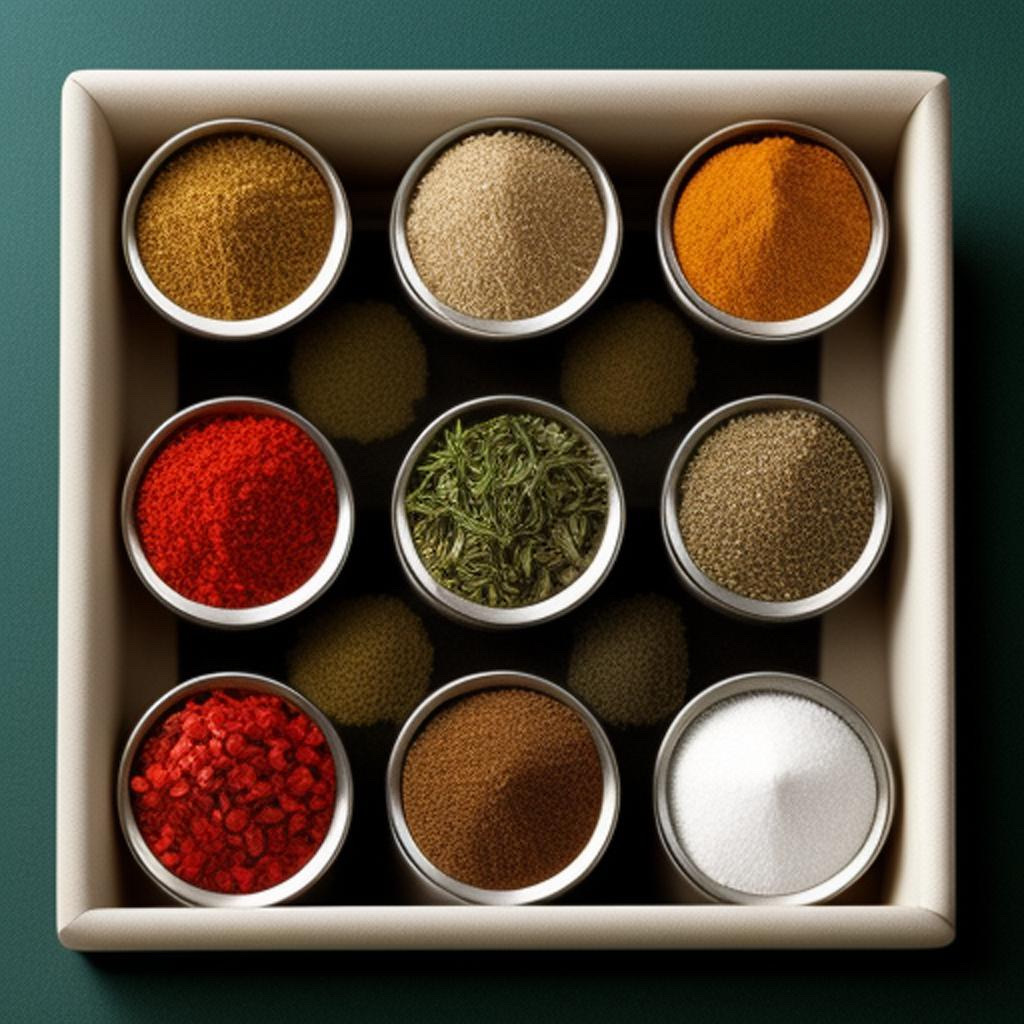
Culinary herbs and spices are key ingredients that enhance the flavour, aroma, and colour of food. They have a long history of use for both culinary and medicinal purposes around the world.
- Herbs refer to the green leafy parts of the plant, such as parsley, rosemary, basil and sage and can be used fresh or dried.
- Spices come from seeds (e.g. poppy, sesame), roots (e.g. ginger, garlic, onion), bark (e.g. cinnamon), buds (e.g. saffron, cloves), berry (e.g. black pepper) or fruit (e.g. paprika, allspice), and are usually dried.
Both are used in small quantities to add depth and complexity to dishes. This article highlights the potential health benefits of commonly used herbs and spices, supported by current research:
- Overview of Nutritional benefits of herbs and spices
- How herbs and spices support specific health goals
- 10 herbs and spices with specific health benefits + cooking tips
- Cautions and considerations
- Conclusions
Overview of Nutritional Benefits of Herbs and Spices
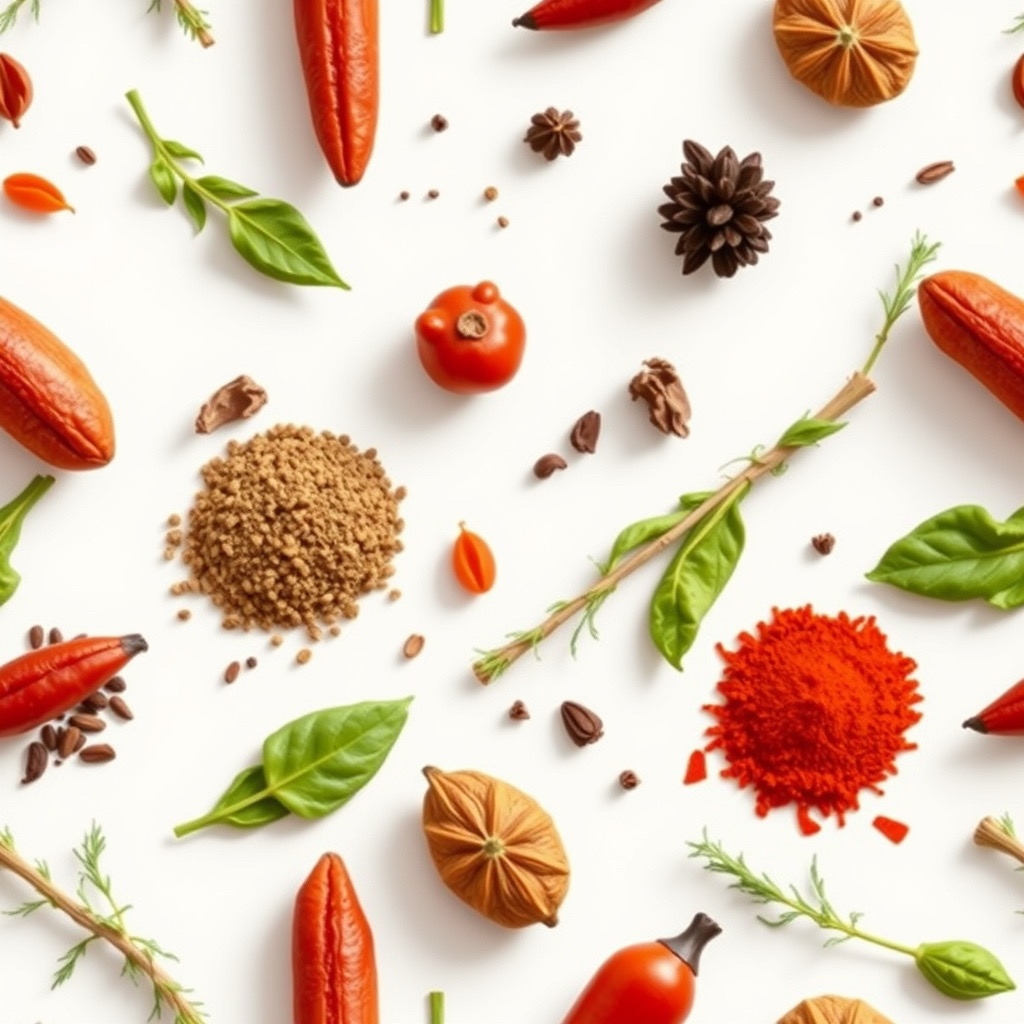
Beyond enhancing flavour, they may offer health benefits due to their rich content of antioxidants, anti-inflammatory effects, and various bioactive compounds.
Many herbs and spices are rich in antioxidants, which protect cells from free radical damage and may reduce the risk of chronic disease (1). Oregano, rosemary, turmeric, cinnamon, and cloves are especially high in antioxidants. Turmeric, ginger, garlic, and cinnamon have anti-inflammatory properties, helping to reduce inflammation and manage conditions such as heart disease and arthritis. Additionally, ginger, peppermint, and fennel support digestion, while garlic, oregano, thyme, and cloves have antimicrobial properties that protect against infections. Herbs and spices are also packed with micronutrients, including vitamins and minerals that contribute to overall health e.g. parsley is rich in vitamins A, C, and K; coriander is high in vitamin C and potassium (2).
How Herbs and Spices Support Specific Health Goals

Blood Sugar Regulation: Cinnamon
The bioactive compound of cinnamon is Cinnamaldehyde (3). In recent years, many trials have been published on cinnamon and blood sugar control with mixed but promising results (4). Several studies indicate that cinnamon helps manage blood sugar, particularly in people with type 2 diabetes or prediabetes (5). Clinical trials have shown that doses of 1 to 6 grams (1/2 – 3 tsps.) per day can lower fasting blood glucose and improve insulin sensitivity, though the effects vary based on cinnamon type, dosage, study duration, and participant differences (6). Some studies report no effect, suggesting that cinnamon’s impact may depend on individual or lifestyle factors. Overall, while cinnamon is not a substitute for established treatments like diet, exercise, and medication, it may offer some benefit as a complementary therapy for blood sugar regulation (4).
Heart Health: Garlic
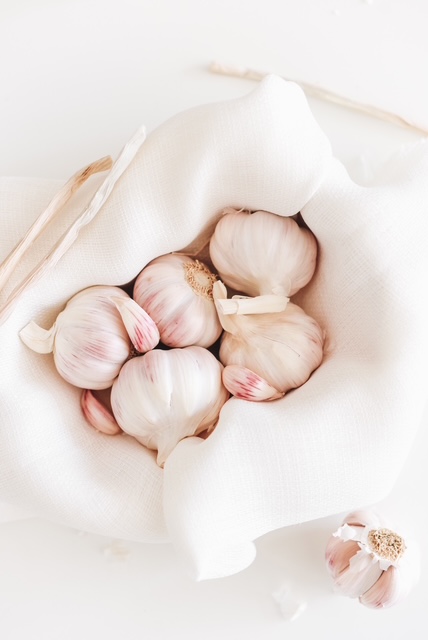
Research on garlic and cardiovascular health has shown promising results. Garlic contains bioactive compounds like allicin, which contain antioxidant and anti-inflammatory properties (7). Clinical trials have found that regular garlic consumption through diet or supplements has been linked to reduced systolic and diastolic blood pressure, particularly in hypertensive individuals, and may lower LDL cholesterol (5)(8). However, the effectiveness varies across studies likely due to individual responses and the form of garlic (raw or supplements) used. Although more extensive research is needed to fully understand garlic’s long-term benefits for health, research suggests that consuming about 600-1200 milligrams of garlic (equivalent 1-2 cloves per day) can support cardiovascular health (5).

Cognitive Health: Turmeric
Research on turmeric, particularly its active compound curcumin, indicates it may benefit cognitive function due to its strong anti-inflammatory and antioxidant properties. Studies have shown that curcumin can help reduce brain inflammation, oxidative stress, and the build-up of amyloid plaques, which are associated with Alzheimer’s disease (9)(10)(11). Clinical trials indicate that turmeric may improve memory, attention, and overall cognitive performance, especially in older adults or those at risk for cognitive decline (12). However, results can vary based on curcumin’s bioavailability, as it is not easily absorbed by the body. Formulations with enhanced absorption have shown more consistent cognitive benefits (13).While encouraging, further large-scale studies are needed to confirm turmeric’s long-term impact on brain health.
Summary Table: 10 Herbs and Spices with Specific Health Benefits + Cooking Tips.
| Herb | Culinary Use | Nutritional benefits |
| Parsley | Garnish: Sprinkle over soups, stews, roasted vegetables, pasta, grilled meats. Salads: Chop into green salads or pasta salads. Soups & Stews: Add near the end of cooking. Sauces & Marinades: Mix with lemon juice, olive oil, garlic + other herbs for a zesty marinade. Add to creamy sauces or mix with butter for herb butter that can be melted over steak, fish or vegetables. | Rich in antioxidants; vitamins A, C, flavonoids and carotenoids. High in vitamin K and folate to support heart health and bone health. |
| Thyme | Garnish: Sprinkle fresh thyme on roasted meats, vegetables or soups. Soups & Stews: Add springs to stews or broths, removing stem before serving. Infused oils/butters: Infuse fresh thyme into oils/butter for use in sauces or drizzling over dishes. Dried thyme: Ideal to add to soups, stews or casseroles as it holds up well to long cooking times. | Antimicrobial effects. Antioxidants – vitamin C, A, flavonoids and phenolic acids. Supports respiratory health. |
| Oregano | Garnish: Add fresh to pizzas, salads, pastas Sauces: Incorporate into tomato-based sauces, soups or stews. Seasoning: Add dried oregano onto pasta, roasted vegetables, roast meats, potatoes. | Rich in antioxidants, carvacrol and thymol. Antimicrobial, antibacterial & anti-inflammatory. |
| Coriander (Cilantro) | Garnish: Sprinkle fresh leaves on soups, salads, curries. Salads and Salsas: Use in guacamole, salsa or tabbouleh. Sauces & Marinades: Blend into pesto, chutney, or herb sauces. Dried coriander seeds: Use in curries, rubs and spice mixes. | Rich in antioxidants, including vitamin C. Good source of potassium and vitamin K. Antimicrobial to help fight infections. |
| Basil | Garnish: Tear fresh leaves and sprinkle over pizza, pasta and salads. Pesto: Blend fresh basil with garlic, olive oil, parmesan and nuts to make pesto for pasta or as a spread. Salads: Use in salads like caprese (tomato, mozzarella, basil, olive oil) Sauces: Add to tomato-based sauces, soups and curries. Seasoning: Use dried basil in pasta sauces, soups and stews. | Antioxidants such as beta-carotene and lutein to support reduced inflammation. Supports heart health by reducing risk factors such as cholesterol levels and high blood pressure. Contains antimicrobial properties. |
| Spice | Culinary Use | Nutritional benefits |
| Ginger | Fresh ginger: Add to stir-fries, curries, soups, marinades, teas and drinks (steep in hot water for ginger tea) | Helps with nausea and indigestion, may help improve insulin sensitivity and lower blood sugar. |
| Cumin | Ground cumin: Add to curries, stews, roasted vegetables/meats. | May alleviate bloating and indigestion. Antibacterial and antifungal properties. Source of iron. |
| Cinnamon | Hot Drinks: Stir ground cinnamon into coffee, tea or hot chocolate. Infusions: Simmer in stews, curries or mulled wine. | May help regulate blood sugar & support metabolism. Antioxidant, anti-inflammatory. |
| Turmeric | Fresh turmeric: Grate into juices, smoothies or herbal teas. Use fresh in stir-fries or grated into marinades. Ground turmeric: Add to curries, stews, rice and vegetables. | Powerful anti-inflammatory, antioxidant, potential anti-cancer properties, enhances brain health. |
| Black Pepper | Seasoning: Add ground black pepper to any savoury dish, from meats, vegetables and soups to eggs and sauces. Infusions: Use whole peppercorns in stocks, soups or sauces. Crushed or Cracked: Add to steak, salads, or roasted vegetables. | Antioxidant & anti-inflammatory, piperine to support reduced inflammation. Enhances the absorption of other nutrients such as vitamin C, A and selenium and beta-carotene. |
Cautions and Considerations
While herbs and spices offer numerous health benefits, consuming them in excessive amounts can lead to adverse effects. For example, high intake of cinnamon may impact liver health, particularly for individuals with existing liver conditions (14).
Additionally, some herbs and spices can interact with medications – garlic, for instance, may enhance the effects of blood thinners. To ensure safe use, it’s best to consult a healthcare provider before incorporating herbs and spices for medicinal purposes, especially if you have underlying health conditions or take medications.
Conclusion/Key takeaways
- Add herbs/spices to your diet to enjoy both the taste and the health perks.
- Herbs and spices offer health benefits due to their antioxidants, anti-inflammatory properties, and bioactive compounds.
- Check out the summary table above that provides an overview of the nutritional benefits and cooking tips for specific herbs and spices.
- Individual responses to herbs and spices may vary, and some bioactive compounds may not be well absorbed without proper formulations or preparation techniques.
- Specific herbs/spices have the potential to support conditions such as diabetes, cardiovascular health and cognitive health when used in conjunction with diet and medications.
References
1. Yashin A, Yashin Y, Xia X, Nemzer B. Antioxidant Activity of Spices and Their Impact on Human Health: A Review. Antioxidants [Internet]. 2017 Sep 1 [cited 2025 Feb 26];6(3):70. Available from: https://pmc.ncbi.nlm.nih.gov/articles/PMC5618098/
2. Isbill J, Kandiah J, Kružliaková N. Opportunities for Health Promotion: Highlighting Herbs and Spices to Improve Immune Support and Well-being. Integrative Medicine: A Clinician’s Journal [Internet]. 2020 Oct 1 [cited 2025 Feb 27];19(5):30. Available from: https://pmc.ncbi.nlm.nih.gov/articles/PMC7815254/
3. Kawatra P, Rajagopalan R. Cinnamon: Mystic powers of a minute ingredient. Pharmacognosy Res [Internet]. 2015 Sep 1 [cited 2025 Feb 26];7(Suppl 1):S1. Available from: https://pmc.ncbi.nlm.nih.gov/articles/PMC4466762/
4. Moridpour AH, Kavyani Z, Khosravi S, Farmani E, Daneshvar M, Musazadeh V, et al. The effect of cinnamon supplementation on glycemic control in patients with type 2 diabetes mellitus: An updated systematic review and dose-response meta-analysis of randomized controlled trials. Phytother Res [Internet]. 2024 Jan 1 [cited 2025 Feb 26];38(1):117–30. Available from: https://pubmed.ncbi.nlm.nih.gov/37818728/
5. Ried K. Garlic lowers blood pressure in hypertensive subjects, improves arterial stiffness and gut microbiota: A review and meta-analysis. Exp Ther Med [Internet]. 2019 Dec 27 [cited 2025 Feb 26];19(2):1472. Available from: https://pmc.ncbi.nlm.nih.gov/articles/PMC6966103/
6. Santos HO, da Silva GAR. To what extent does cinnamon administration improve the glycemic and lipid profiles? Clin Nutr ESPEN [Internet]. 2018 Oct 1 [cited 2025 Feb 26];27:1–9. Available from: https://pubmed.ncbi.nlm.nih.gov/30144878/
7. Bahadoran Z, Mirmiran P, Momenan AA, Azizi F. Allium vegetable intakes and the incidence of cardiovascular disease, hypertension, chronic kidney disease, and type 2 diabetes in adults: a longitudinal follow-up study. J Hypertens [Internet]. 2017 Sep 1 [cited 2025 Feb 26];35(9):1909–16. Available from: https://pubmed.ncbi.nlm.nih.gov/28319598/
8. Du Y, Zhou H, Zha W. Garlic consumption can reduce the risk of dyslipidemia: a meta-analysis of randomized controlled trials. J Health Popul Nutr [Internet]. 2024 Dec 1 [cited 2025 Feb 26];43(1):1–12. Available from: https://jhpn.biomedcentral.com/articles/10.1186/s41043-024-00608-1
9. Benameur T, Giacomucci G, Panaro MA, Ruggiero M, Trotta T, Monda V, et al. New Promising Therapeutic Avenues of Curcumin in Brain Diseases. Molecules [Internet]. 2021 Jan 1 [cited 2025 Feb 27];27(1):236. Available from: https://pmc.ncbi.nlm.nih.gov/articles/PMC8746812/
10. Cianciulli A, Calvello R, Ruggiero M, Panaro MA. Inflammaging and Brain: Curcumin and Its Beneficial Potential as Regulator of Microglia Activation. Molecules [Internet]. 2022 Jan 1 [cited 2025 Feb 27];27(2):341. Available from: https://pmc.ncbi.nlm.nih.gov/articles/PMC8780663/
11. Abdul-Rahman T, Awuah WA, Mikhailova T, Kalmanovich J, Mehta A, Ng JC, et al. Antioxidant, anti-inflammatory and epigenetic potential of curcumin in Alzheimer’s disease. Biofactors [Internet]. 2024 Jul 1 [cited 2025 Feb 27];50(4):693–708. Available from: https://pubmed.ncbi.nlm.nih.gov/38226733/
12. Tsai IC, Hsu CW, Chang CH, Tseng PT, Chang KV. The effect of curcumin differs on individual cognitive domains across different patient populations: A systematic review and meta-analysis. Pharmaceuticals [Internet]. 2021 Dec 1 [cited 2025 Feb 27];14(12):1235. Available from: https://www.mdpi.com/1424-8247/14/12/1235/htm
13. Gagliardi S, Morasso C, Stivaktakis P, Pandini C, Tinelli V, Tsatsakis A, et al. Curcumin Formulations and Trials: What’s New in Neurological Diseases. Molecules [Internet]. 2020 Nov 1 [cited 2025 Feb 27];25(22):5389. Available from: https://pmc.ncbi.nlm.nih.gov/articles/PMC7698610/
14. Gu DT, Tung TH, Jiesisibieke ZL, Chien CW, Liu WY. Safety of Cinnamon: An Umbrella Review of Meta-Analyses and Systematic Reviews of Randomized Clinical Trials. Front Pharmacol [Internet]. 2022 Jan 18 [cited 2025 Feb 26];12:790901. Available from: https://pmc.ncbi.nlm.nih.gov/articles/PMC8804376/
